"British Dreams and Wishes: A Business Survey": Download here for free!
✓ How satisfied are British people with their jobs?
✓ Hopes and fears of starting a business in the UK
✓ Which people have a particularly hard time founding a company?
✓ Digitalisation hype: To what extent does increasing digitalisation influence potential start-ups?
✓ The influence of the Corona crisis on the desire for self-employment
Key facts
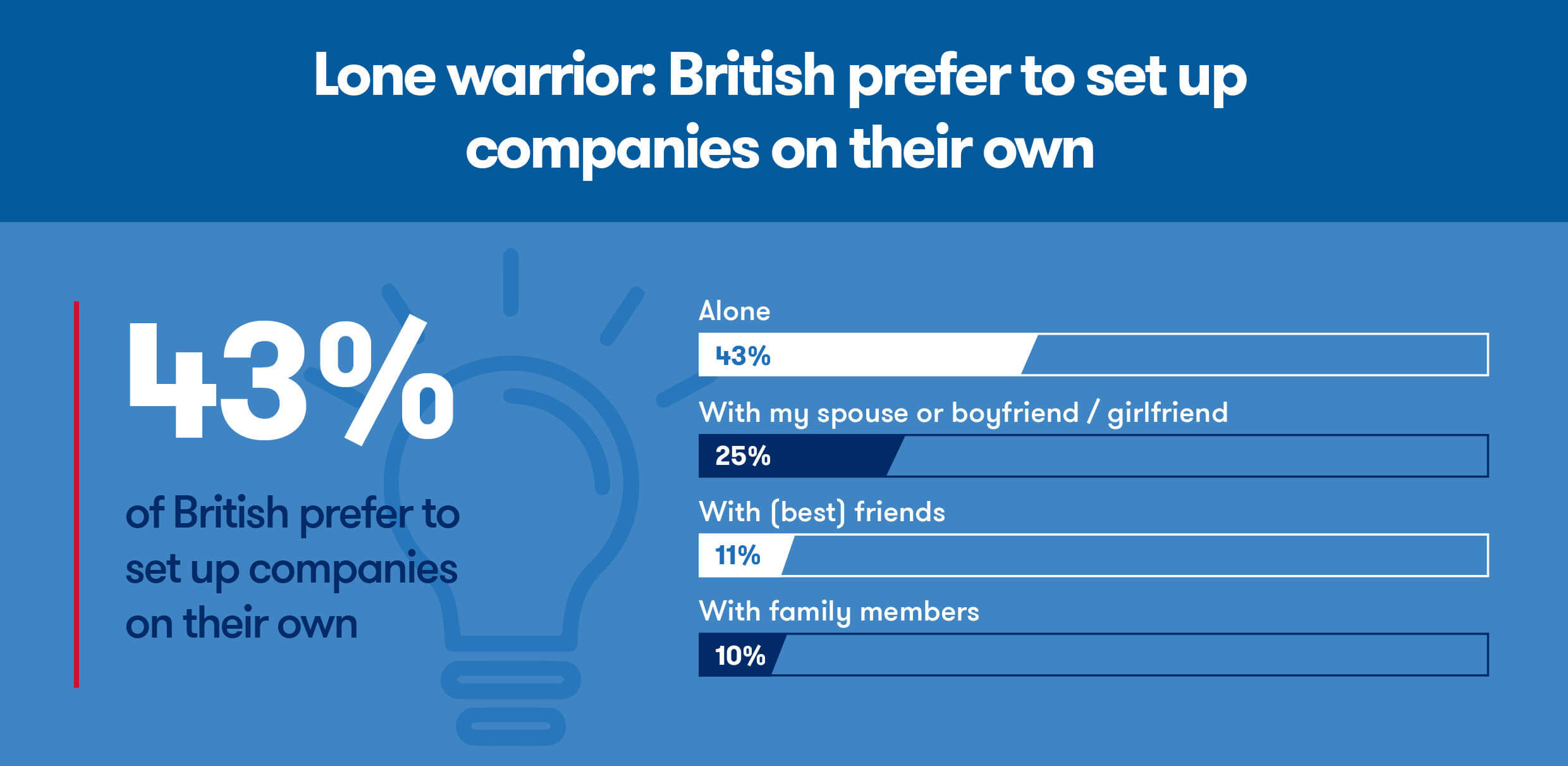
Brits would rather start businesses alone than with friends or family
Mothers have the hardest time in the startup scene
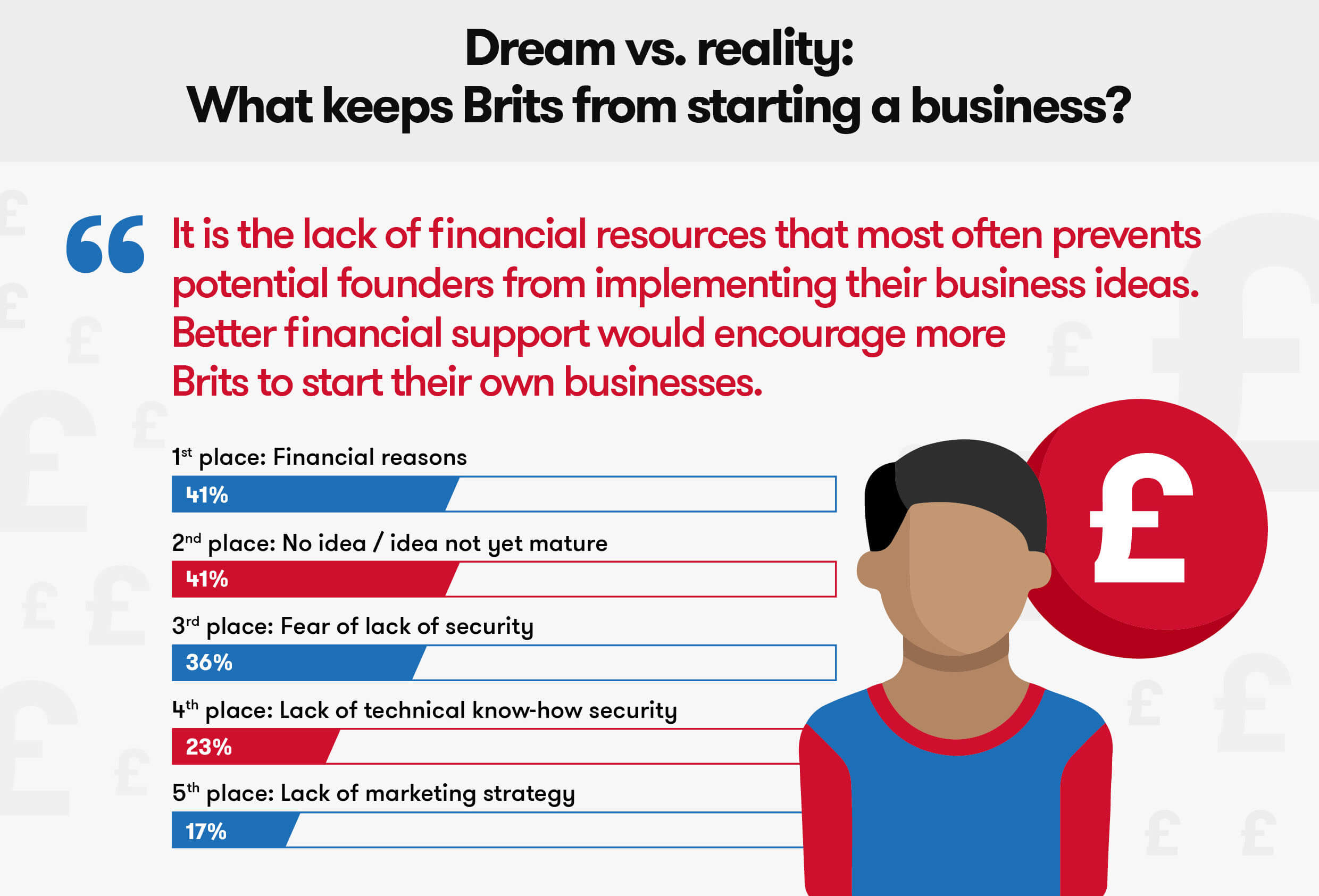
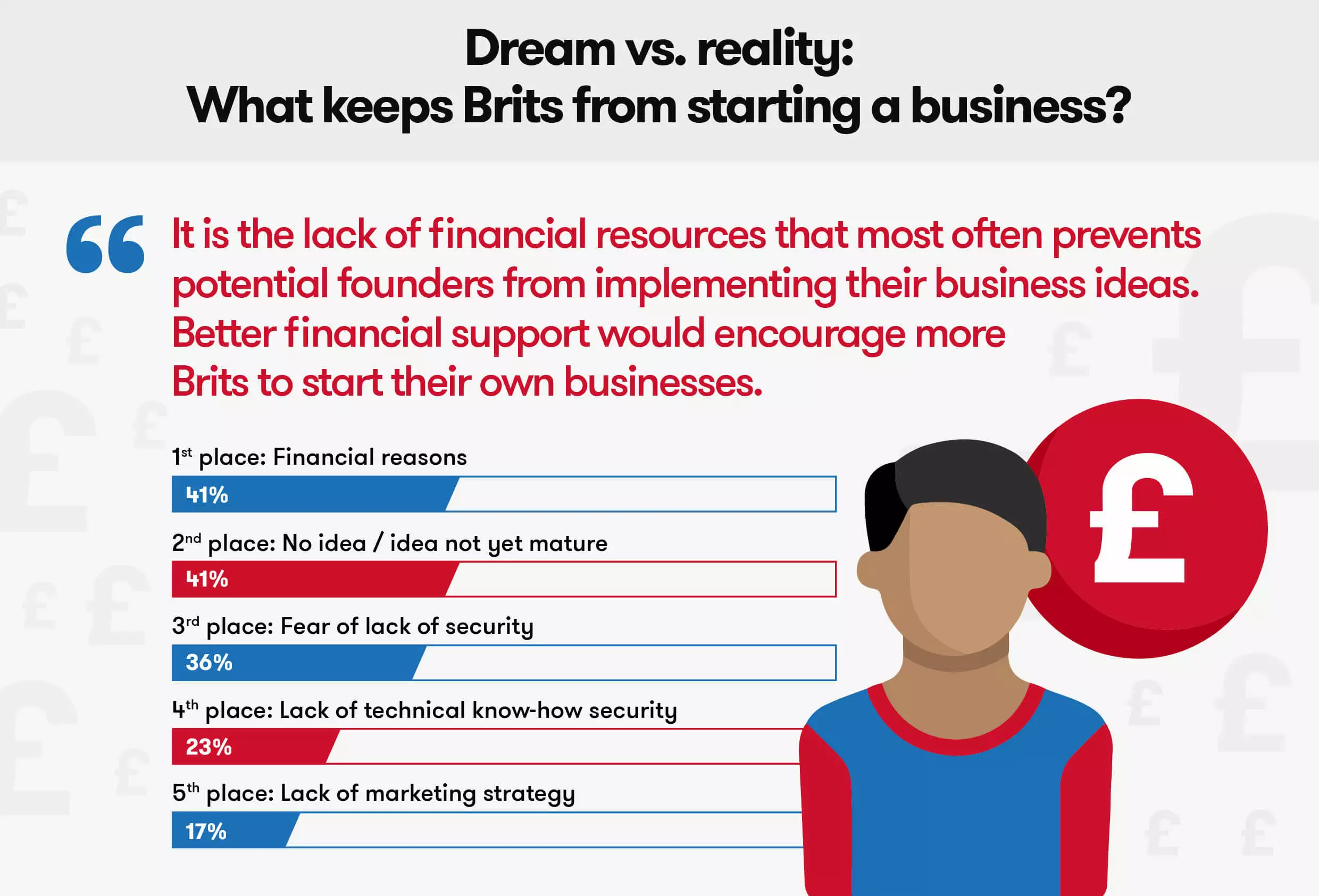
Fear of a financial crash: lack of money keeps many Brits from starting up
Digitisation continues to gain traction, especially during the pandemic
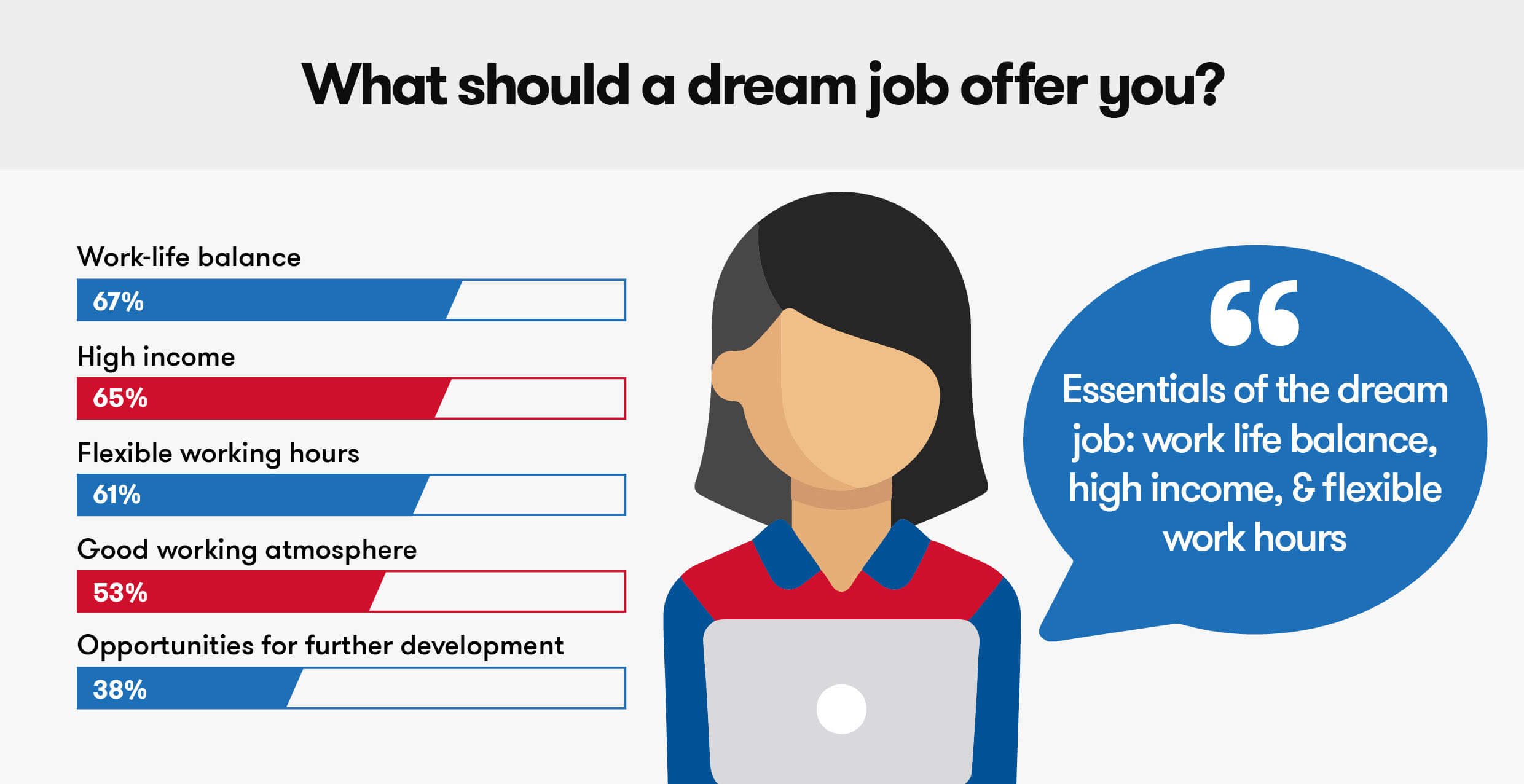
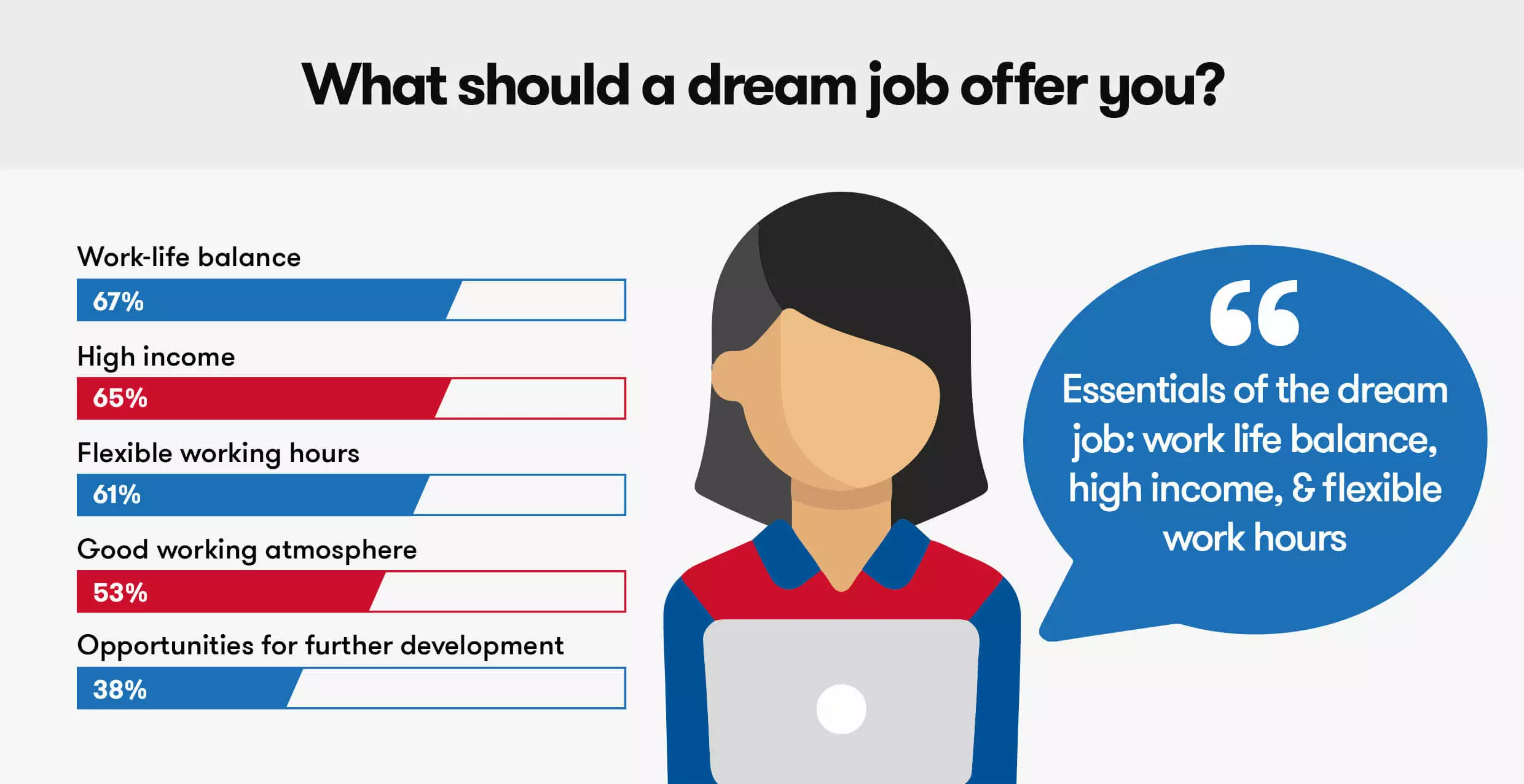
What does a dream job look like in 2021?
The last two years have been tough for employees: Many people in the UK have lost their jobs or had to go on furlough. The Corona crisis has led to job insecurities and has had a significant impact on the working lives of British citizens. So it was time to take stock: What does a dream job in 2021 look like for Britons, and to what extent has the pandemic changed their attitudes to work?
We wanted to explore these questions in our Business Survey “British Dreams and Wishes” and to examine current attitudes of Britons towards the world of work.
Insights to the fears and dreams in business
We interviewed 500 British people. The participants were made up of equal parts male and female. We carried out a quantitative survey in which participants were asked about their current careers and how this related to their job satisfaction. The study also focused on the desires to start a business, and the fears associated with doing so. All participants were of working age, between 20 to 50 years old.
Discomfort at work: What are the reasons?
The Corona crisis has changed many people's attitudes toward jobs and self-employment. But to what extent? We asked our British participants about their attitude towards their work. In our e-book, you'll find out how satisfied British citizens are with their current jobs and what they think about self-employment.
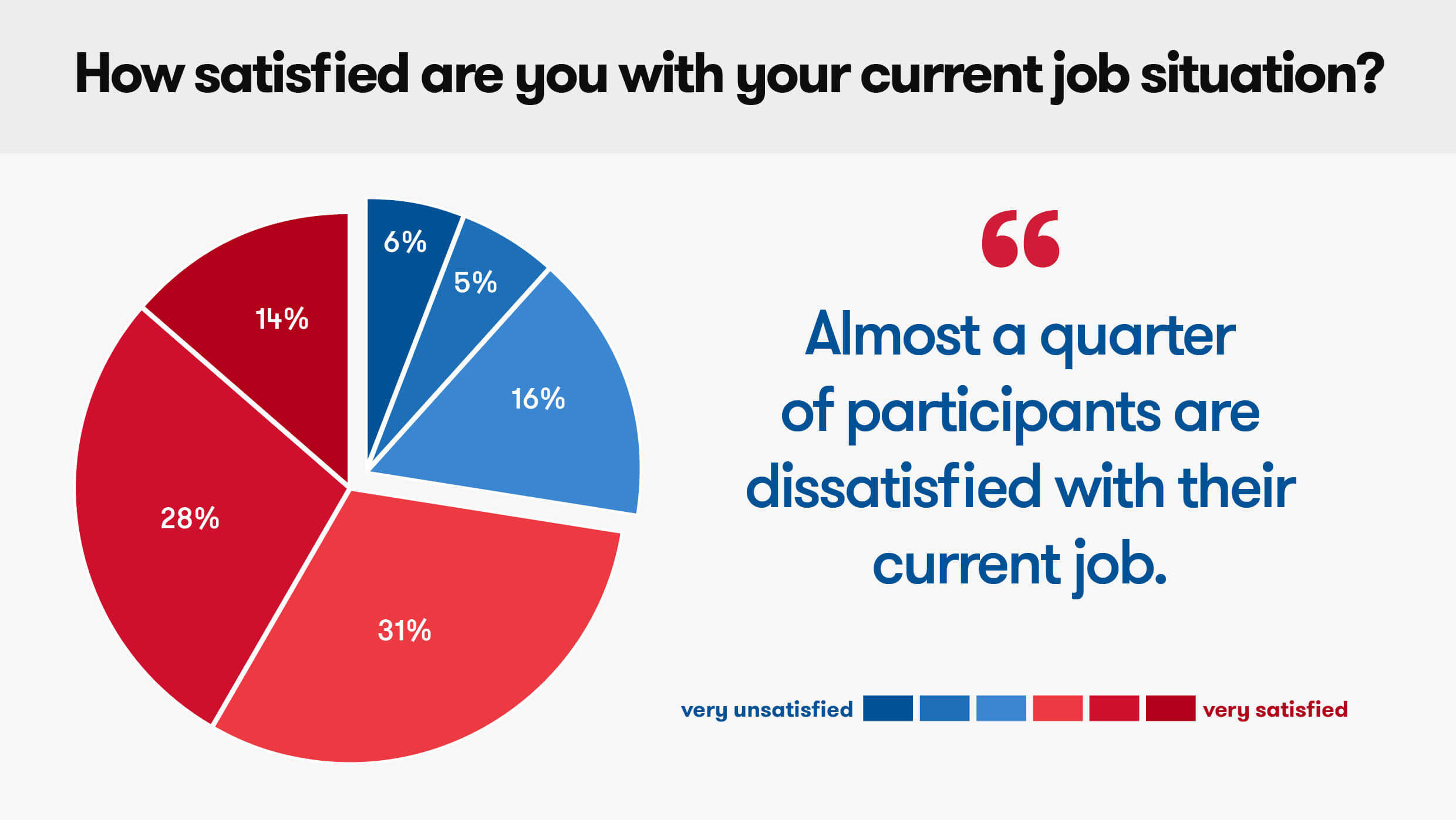
The results of the survey on job satisfaction are surprising: more than a quarter of the participants are dissatisfied with their current job situation. Women seem to be particularly unhappy at work. If you are interested in why the British are so disappointed in their jobs and why women still - in this day and age - suffer from unequal treatment in the workplace, then download the IONOS SE e-book here for free.
Self-Employment as the key to fulfillment
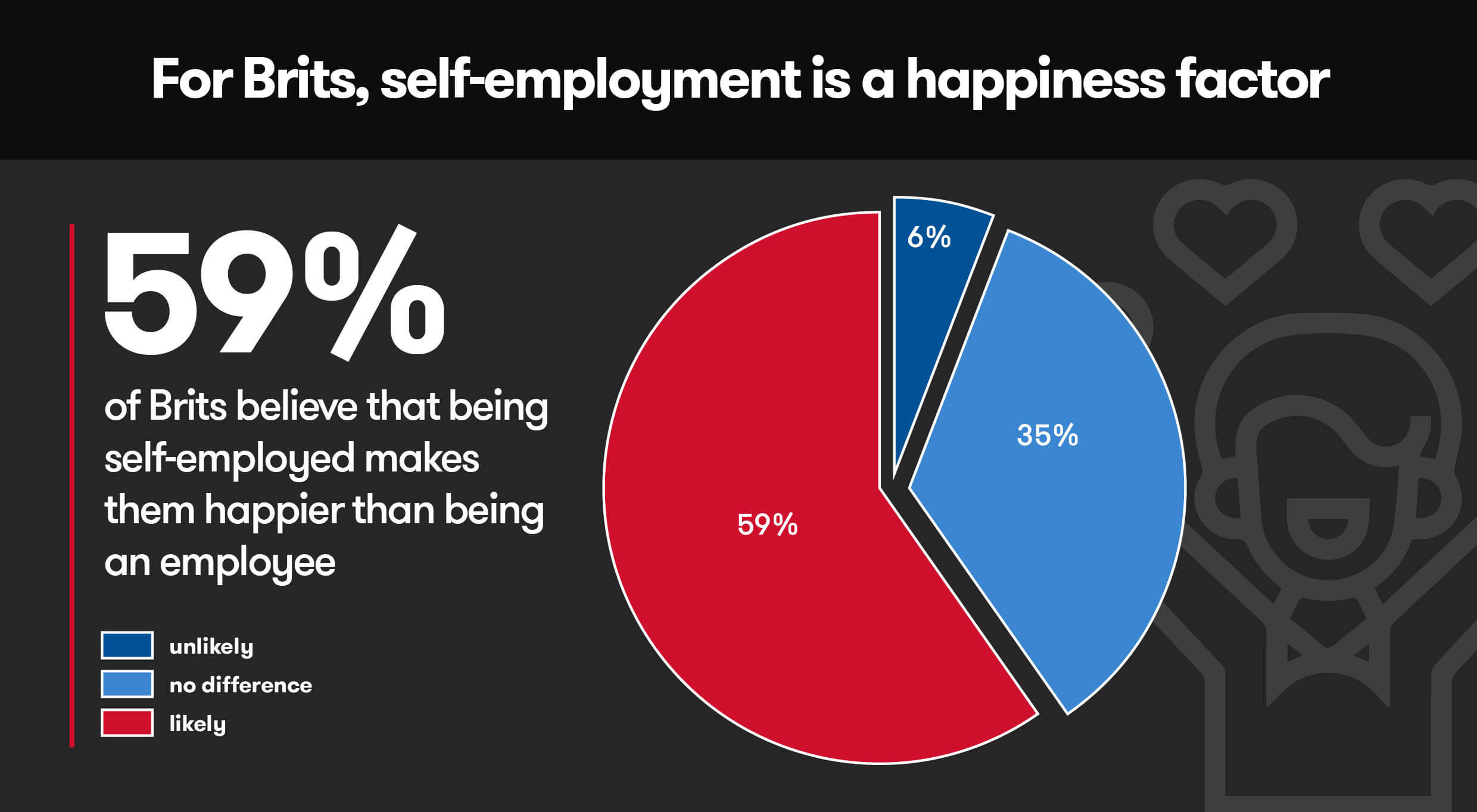
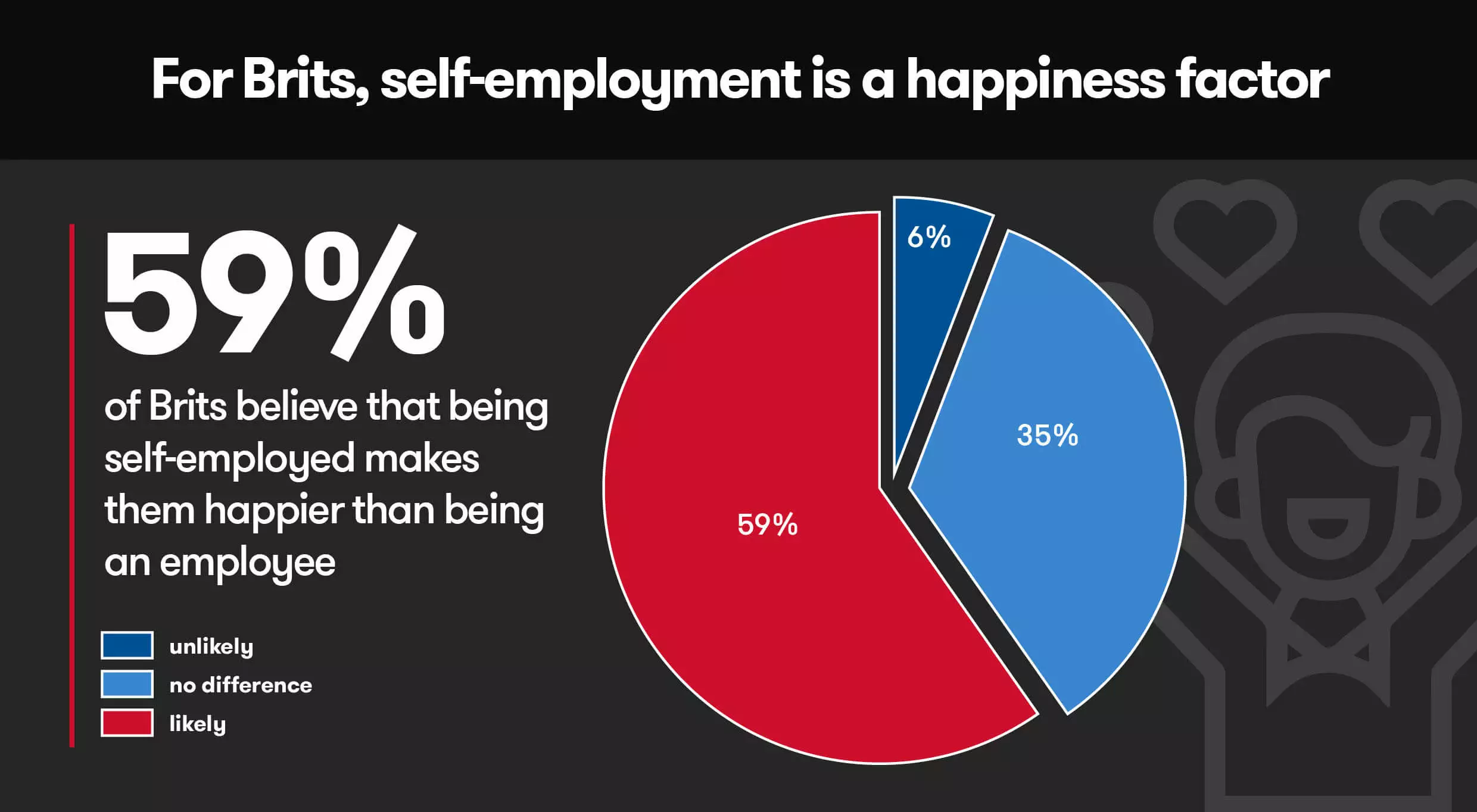
The British believe that self-employment makes you happier. Reasons as to why include flexible workings and better earning opportunities. Yet, only a few embark on starting their own business. So what scares them from doing so? What support would they require to make the jump into self-employment, especially during a pandemic?
Dream vs. reality: What keeps Brits from starting a business?
Quote: “It is the lack of financial resources that most often prevents potential founders from implementing their business ideas. Better financial support would encourage more Brits to start their own businesses.”
Like a phoenix rising from the ashes: Increased desire for start-ups since COVID-19
Many British people see the crisis as an opportunity: the pandemic has increased the desire to start a business in the UK - even though one might think that the crisis has increased the desire for security. The opposite seems to be the case: It seems that many no longer rely on their employer and see the need to take action themselves. Women especially so, they are on the rise and see a start-ups as an opportunity to achieve a better work-life balance.
The future is female
Women feel disadvantaged: 40% of women long for acknowledgment and recognition at work. Maybe this dissatisfaction is why so many women want to get started with their own business? 60.72% of the female participants consider self-employment. Yet men still dominate the start-up world. Just before the pandemic, however, the percentage of female founders increased!
Let business dreams no longer be dreams
Taking matters into your own hands: We show you why so many Brits would like to quit their jobs due to dissatisfaction at work and why having your own start-up can offer a way out of this dissatisfaction. In our e-book, you'll also find out why Brits often don't take the final step toward their own start-up – and why women continue to have a hard time in the start-up scene. In addition, we have explored the impacts of the Corona crisis and explain why the pandemic has increased the attraction for self-employment and the important role digitalisation plays in such situations.
Tip
Find the right equipment to be successful on the web: