

Gamification: Using play elements to increase a company’s Success

Companies that attempt to improve employee performance through pressure and punishment are relying on outdated models. In order to motivate employees, it is much more efficient to integrate principles of play into a company’s everyday routine. Furthermore, new customer acquisition and customer retention also benefit from incorporating more playful elements. This method is referred to as gamification.
We explain in which areas gamification can be implemented and what you should keep in mind with regard to its applicable measures. In doing so, it will become apparent that in some businesses, the concept is already being productively implemented. To conclude, we will introduce some successful practical gamification examples from well-known companies.
What is gamification? A definition
The term gamification is derived from the term “game.”
It always means the same thing:
Gamification refers to the utilisation of typical elements of play in a context where they are not normally utilised.
People have an innate need to learn, to improve their skills and to match themselves up against others while competing. Playing games addresses these needs, with mechanisms such as riddles, proceeding to the next level or difficulty level, and motivating the user to stay on the ball and immerse themselves in a task.
Anyone who implements these principles of play in a context where they are not normally utilised can also increase people’s motivation to solve problems, improve their stamina and guide their behaviour in a way that’s consistent with management’s needs.
Consequently, gamification can make more interesting those tasks that are viewed as monotonous and boring, while motivating employees to address difficult problems on a long-term basis.
Application areas: In which areas can gamification be used?
Gamification can be implemented in quite different contexts. For example, in companies, research, education or crowdfunding.
Because the drive to play is deeply-rooted in humans of every age (even if it is sometimes buried), it can appeal to both young and older target groups.
The use of gamification in a company context
The fascination with play can be utilised in the workplace by companies to motivate employees (internal gamification), and externally, to acquire new customers and retain them (external gamification).
Potential application areas within a company:
- in quality management, to improve data quality
- in recruiting, to test the skills of applicants and narrow down the selection
- in sales, to increase the closure quote through internal competition (rankings, awards, etc.)
- in health management, to improve the fitness of employees (e.g. through race challenges)
- in the training of employees, to improve learning effectiveness
- in product development to increase customer retention
- in marketing to acquire new customers (for example, on websites and in apps)
How should gamification be designed?
There are countless ways of playing, and as a result, quite a few different forms of gamification. However, some elements form the basis of each game, and for this reason, they must also be part of every gamification measure if companies want to benefit from the positive effects of playing.
Comprehensible transparent rules
Anyone who draws a 1 or 2 when playing “Sorry” may begin to move their pawn forward. Anyone who doesn’t draw a 1 or 2 must wait. Every game, whether it’s a board game or multiplayer online game, needs clear rules that are known by every player beforehand. This also applies to gamification in a company context. An example: Anyone who doesn’t know how many points they receive for their participation in the internal test platform, and what reward awaits them at which score, won’t make as much effort as someone who can use the points toward the acquisition of a new tablet.
Realistic challenges
Every game contains a task that is to be completed. However, the challenge should not be too easy to overcome, otherwise, the fun is quickly over. At the same time, it cannot be made so difficult that the player or employee becomes discouraged and gives up. This would miss the purpose of gamification, as the principle is ultimately supposed to lead to more intensive, motivated work.
Direct feedback
The player’s activities should result in a direct response so that they can improve themselves and learn with the help of positive and negative feedback. A game in which the user is groping around in the dark, regardless of whether their actions bring them closer to the goal, quickly loses its appeal. Examples of direct feedback include progress bars, badges, and point systems.
Recognition for achieving goals
Anyone who has mastered a task within a game must receive a reward for it – whether it’s unlocking a new level, receiving a material reward or gaining access to new content. The prospect of a reward establishes an incentive for playing the game regularly. Each gamification requires the reward aspect – especially when it’s a matter of getting the user to interact regularly.
An appealing story
A game’s success is determined in large part by its story – the world and plot into which the player is immersed. This is true for online games such as “World of Warcraft” and boardgame classics such as “Settlers of Catan”, and is just as much the case for gamification in the work environment.
Players
Although there are single-player games, having other players is an essential factor for making games fascinating. You can be a competitor in a competition or a team member. In a company context, customers can compete against other customers or employees in teams to vie for awards.
Gamification is not exclusively for digital platforms. Although playful measures frequently use websites or apps, gamification is also feasible in offline contexts.
Historical origin
Gamification only emerged as a strategy in the context of business at the beginning of the 2000s. The inventor of the term was the programmer and author Nick Pelling, who is said to have coined it in 2002.
The idea of using playful elements to acquire or retain customers, and to motivate employees, is however considerably older.
As early as the 1960s, psychiatric clinics utilised a so-called token economy, a systematic reward system in which patients received chips for desirable behaviour. These could be exchanged for specific prizes. Since the 1990s, airlines have been utilising frequent flyer miles programmes, and supermarkets have been relying on loyalty programmes for decades. Even the award “Employee of the Month” can be understood as a playful competition to increase motivation, and therefore, gamification.
If in the past there were gamification prototypes that operated according to a simple reward scheme, the present-day versions are normally digital and offer playing experiences that are more sophisticated.
Sometimes, the physical and digital world can also interlock – for example, the app “Zombies Run” motivates runners, and apps like “EpicWin” combines the completion of daily tasks with digital role-playing.
Gamification is not to be confused with gambling. Success while playing is not determined by chance, but normally by one’s own skills, and is contingent on stamina or tenacity.
Gamification: Examples of its successful implementation in companies
Big corporations such as Microsoft, IBM, SAP, and Deloitte were among the pioneers of the gamification movement. Now more and more companies in the US utilise playful elements. Here are some successful examples of gamification measures:
Starbucks example
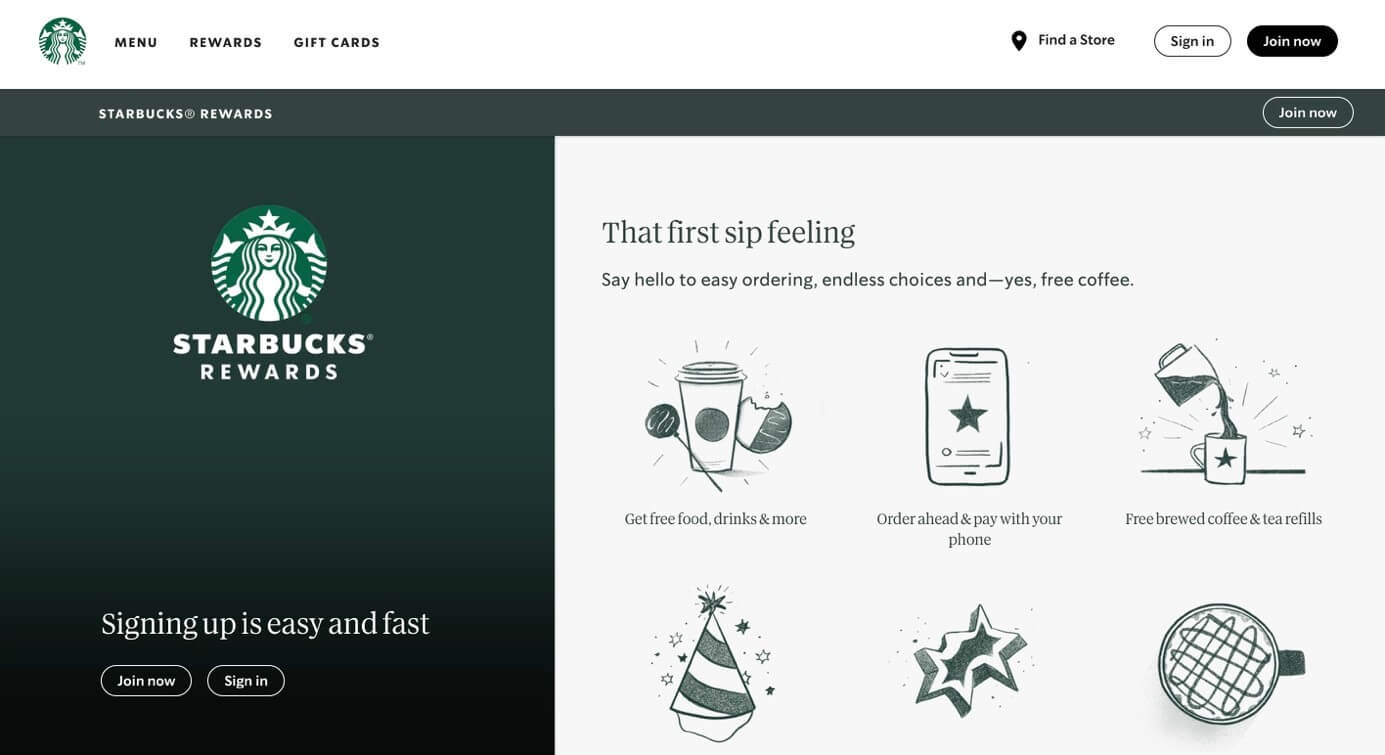
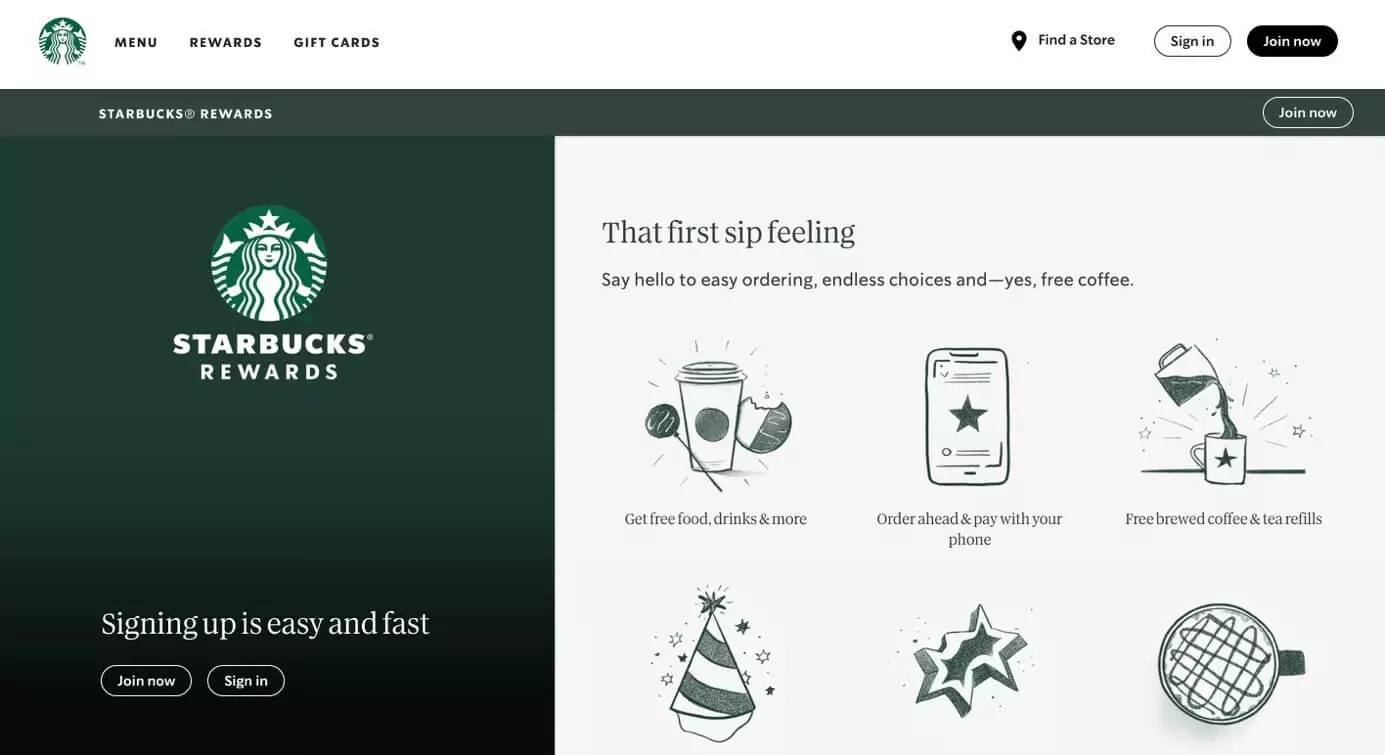
The company Starbucks introduced its Starbucks Rewards membership programme, through which customers can earn stars (points) toward free drinks and food, and receive access to exclusive offers. Members can monitor their star totals online and can also use an app to access their accounts.
SAP Example


IT company SAP utilises gamification in diverse areas. For example, it developed a digital golf game, with which orders were executed back and forth between departments via virtual golf swinging. The game was so easy to play that lead times were reduced considerably. A well-known and externally visible example of in-house gamification is the SAP Community (SCN), where members gather points if they answer questions by other users and receive awards as soon as they reach a certain point level. These awards motivate members, not least because SAP regularly recruits new employees from among the top contributors.
Nike Run Club example
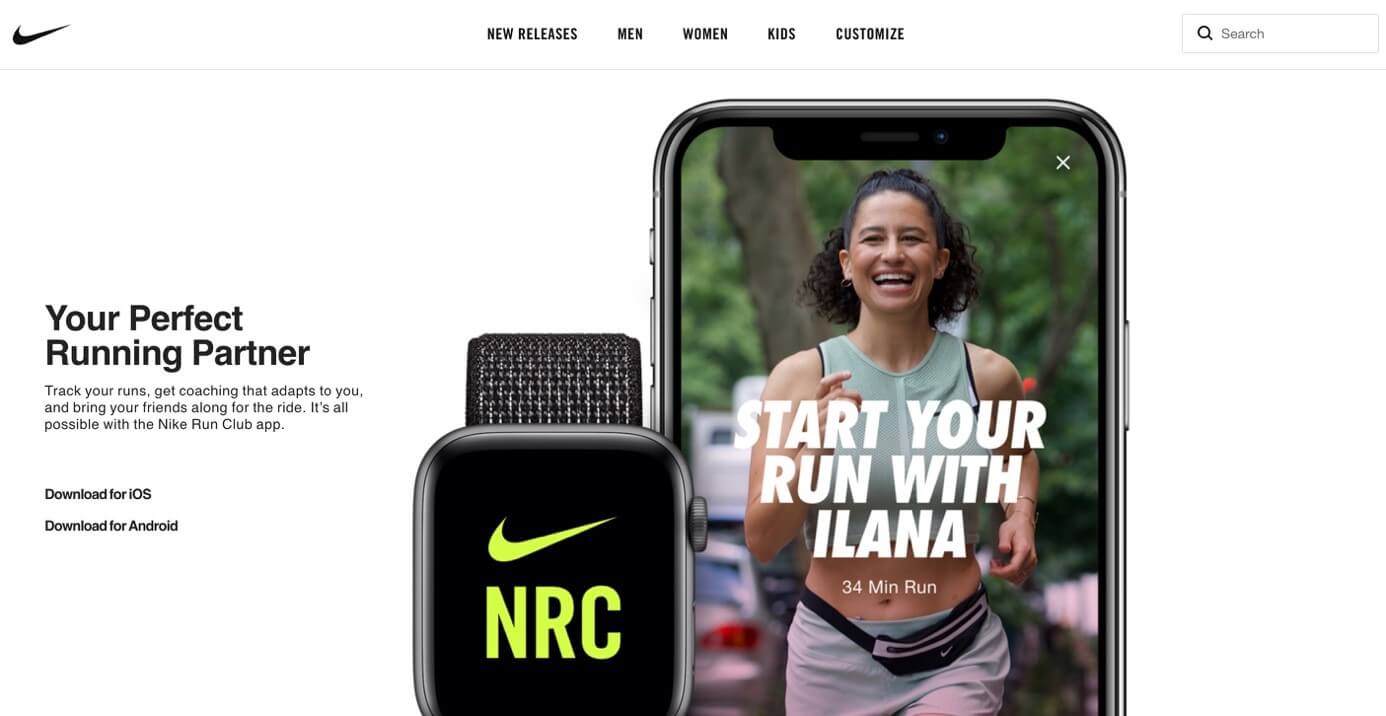
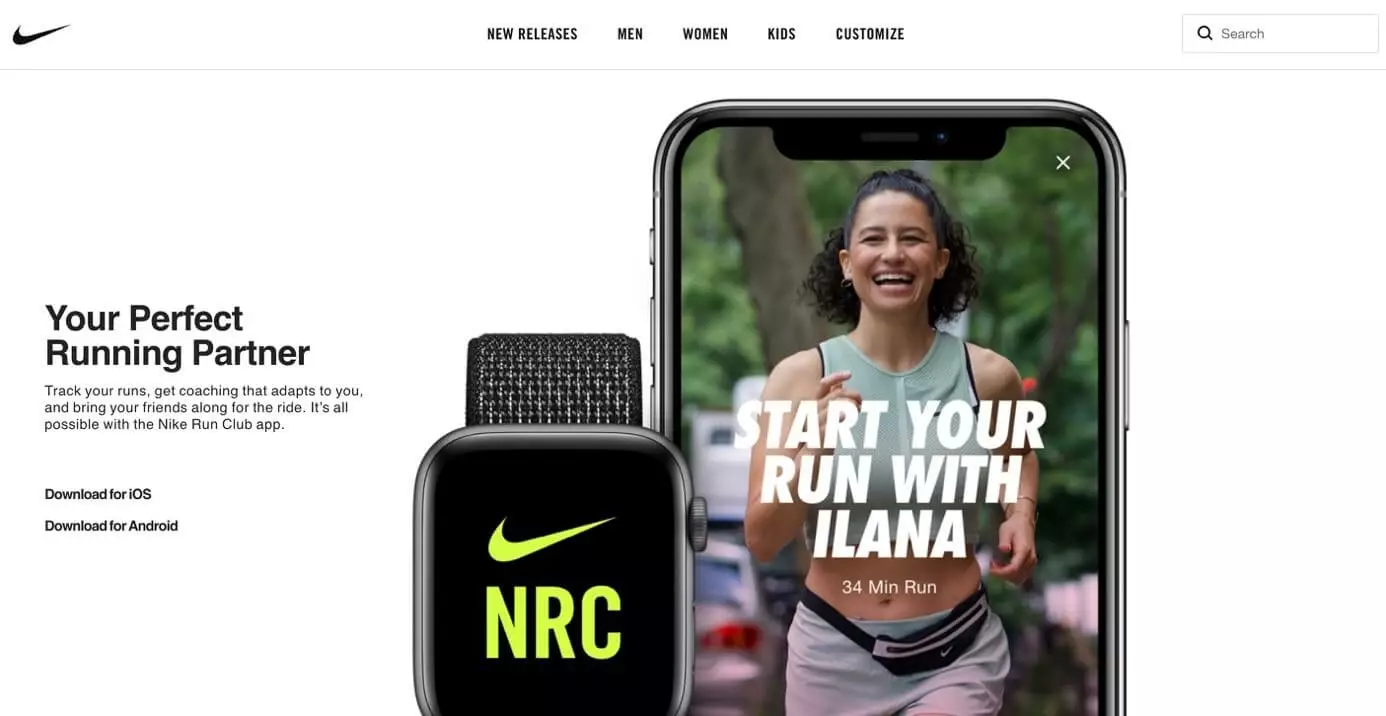
The Nike Run Club enables runners to join an online community via its app. In addition to being able to track their progress and follow a personalised training programme, they can also “compare and compete with fellow runners” and share their running experiences via social media and/or Run Club friends.
Duolingo Example
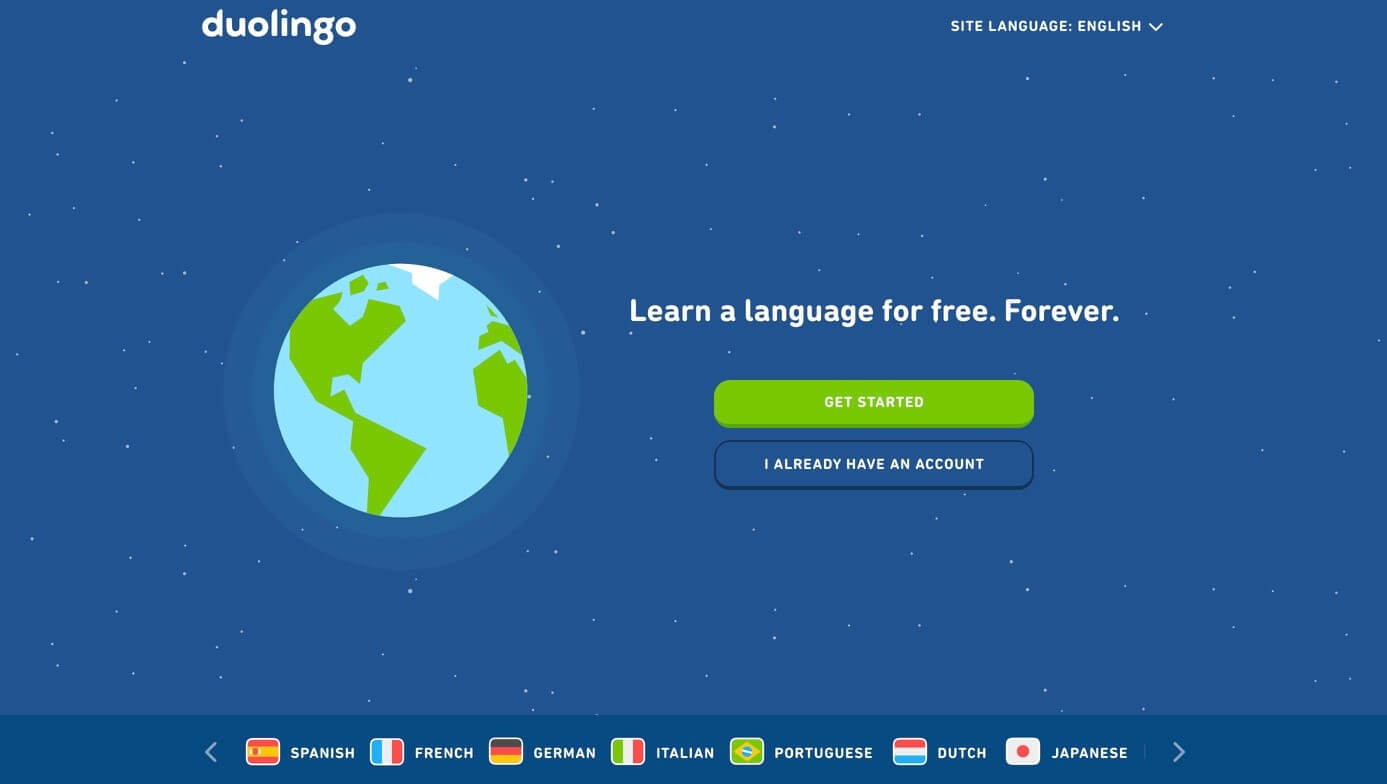
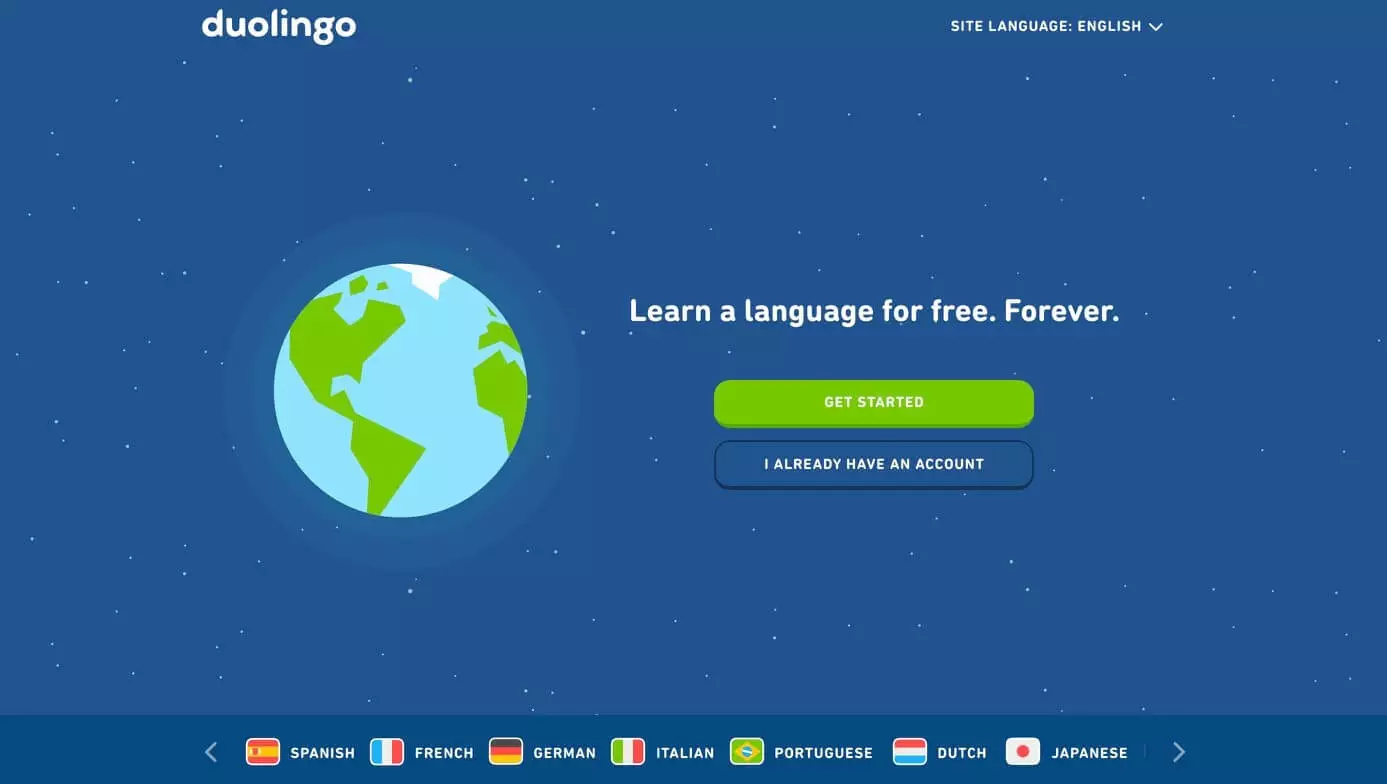
The language education platform Duolingo boasts that “gamification” is “poured into every lesson.” Its app offers personalised learning, immediate grading and motivates users with rewards such as virtual coins and unlocked levels.
University of Washington (and other) example
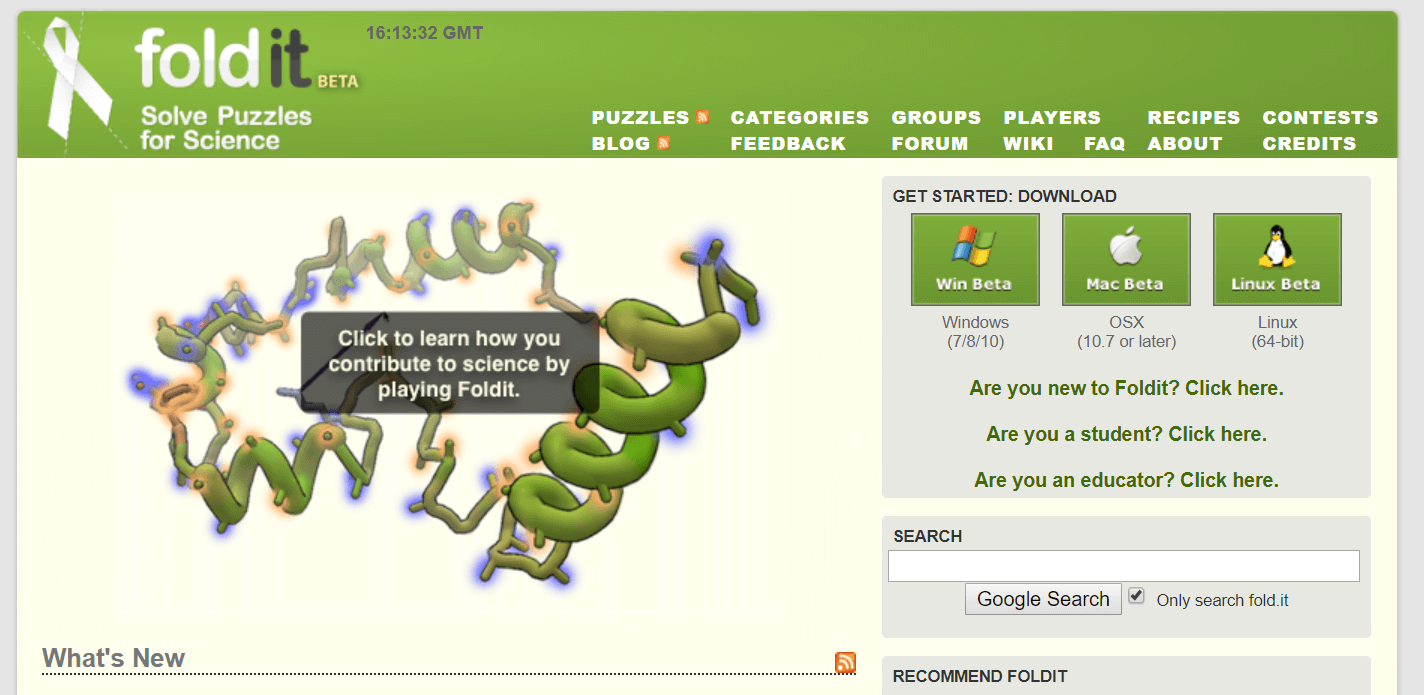
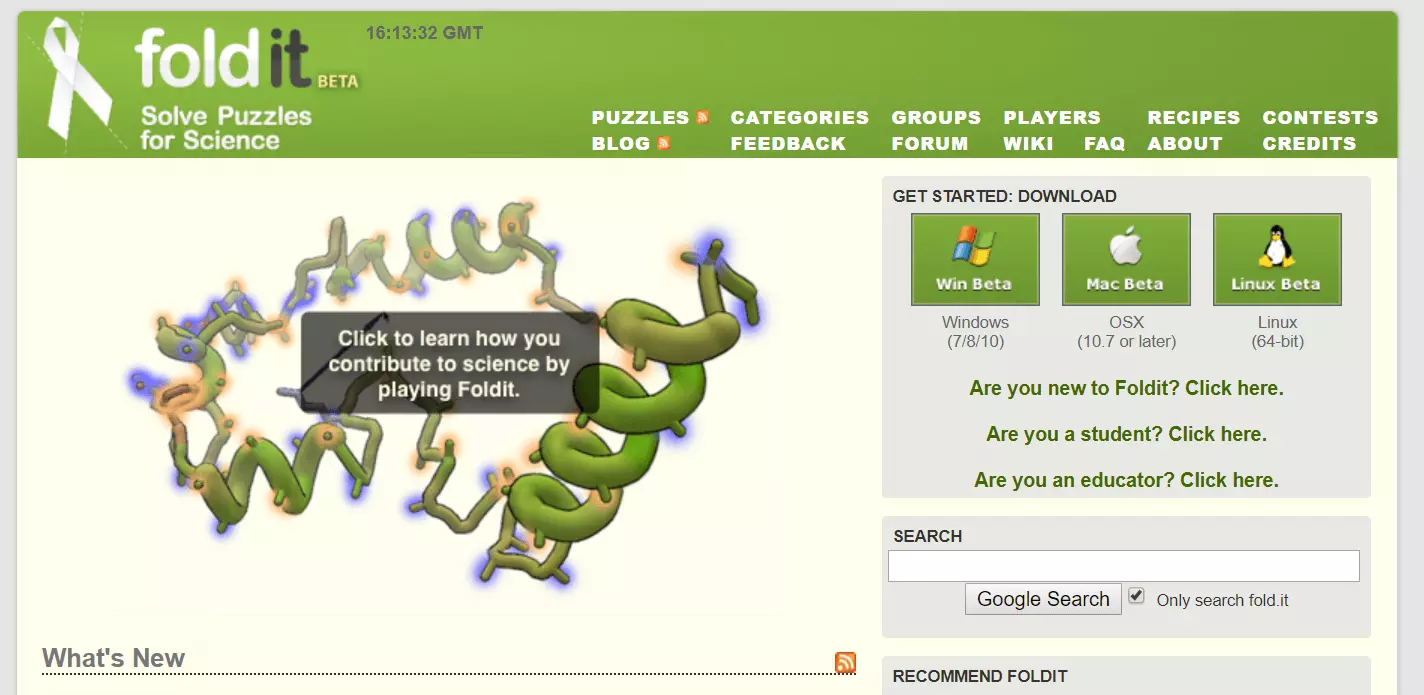
The University of Washington, working jointly with Northeastern University, Vanderbilt University and the University of California (Davis), offers free puzzles via the “foldit” portal. This enables users to fold long amino acid chains into virtual proteins. The better they fold, the more points they receive. Through playing, users thus become familiar with natural science topics.
The Future of Gamification
The market research institute Gartner predicted in 2012 that as early as 2015, 40 per cent of the 1,000 largest corporations in the world would implement gamification in the workplace to increase employee productivity. However, a more recent study for dissemination has yet to be published.
Overall, the current scientific research concerning the effectiveness of gamification measures is relatively flimsy. Nevertheless, gamification is seen as a formative social trend through 2030.
And you may notice that the use of gamification in business practice is in fact increasing. This trend is not expected to reverse. Considering that sales in the gaming industry have been increasing for several years now and that there is a growing number of executives who themselves grew up with computer games, one can instead assume that, going forward, gamification will continue to play a large role for companies.