

Top 10 of free Drupal Themes

Since its launch in 2000, Drupal has become one of the world’s most popular content management systems. This is mainly thanks to the very large community behind the project, which contributed a considerable number of extensions for the open source CMS. This community is also responsible for creating a diverse range of Drupal themes. A theme is a design template that can instantly be applied to your website and adjusted to your own tastes. The majority of these can be used free of charge. When confronted with the seemingly endless choice of free Drupal themes, making a decision can seem a daunting task, but don’t panic! To make things easier, we’ve handpicked 10 great themes, suited to different kinds of Drupal projects.
Drupal: perfect for extensions and plugins
Unlike some other CMSs (such as TYPO3), Drupal is suited to novices and experienced users alike. One reason for this is the strikingly small range of functions, which can be adapted bit by bit to suit the user’s needs. As one of the most popular CMS, Drupal can be considered in the same league as WordPress, and you can find a comparison of the two programs here. The easily manageable Drupal software kernel can be used to create all kinds of web presences, from sites and blogs to forums. However, one of the program’s greatest strengths is its remarkable range of extensions. There are countless modules to adjust various sections of the website (i.e. content, e-commerce, security, media), which also enable users to create more complex websites and applications. With so many diverse options for expansion, it’s possible to use both modules and themes, most of which can be adjusted significantly in order to suit your needs. A Drupal theme consists of an HTML template and various functions (often based on CSS, PHP, or JavaScript). You thus have a wide selection of very different design templates at your disposal, all of which are suited to different kinds of projects. So no matter what kind of project you’re working on, you can find a free Drupal theme that’s perfect for you.
Drupal themes: free solutions for responsive web design
If you’re on the lookout for a theme for your Drupal project, the natural solution is of course to enter a term like ‘Drupal themes’ or ‘Drupal themes free’ in the search engine, and go straight the official Drupal website to take a look at their wide selection of themes. But with over 2,000 free Drupal themes to choose from, it’s not always easy to know what to do next. Of course, not every single theme can boast high quality or a professional design. Our top 10 free Drupal themes span different genres of websites and many different areas of application in order to show that there really is something for everyone. This list includes a selection of established layouts, as well as some more specific templates that are better suited to web stores or company websites. It should be noted that the themes we’ve presented here are all available in different versions (old and new), and these versions vary in terms of their range of functions. All Drupal themes featured in this article are responsive in their current versions.
Zen
This is one of the most popular Drupal themes, and it’s a great choice for web design novices. Zen offers semantically correct HTML5 coding and a great number of features, such as simplified front end development with Gulp.js or Sass and Drush support.
In addition, the theme is SEO friendly and can be edited in the blink of an eye through a separate CSS/Sass file. Furthermore, the theme’s coding for CSS, PHP, and SASS is recommended by the Drupal community in a community documentation.
Basic
As the name suggests, Basic is a relatively simple theme. First published in 2008, there are now several different versions of this Drupal theme. Its streamlined design and versatility make it a great option for any website that requires an unfussy, clear layout. In addition, its simple operation appeals to users who have limited experience in using themes. The Basic theme is topped off with Sass support (via the mixin library, Bourbon) and an SEO-suitable orientation.
Omega


Omega is another classic Drupal theme, popping up time and time again in features on top Drupal themes. Omega has countless options that enable users to heavily customise their web design and adapt it to their specific requirements. From version 4 onwards, there’s comprehensive access to the code, meaning a theme can therefore be composed without the user interface (if one has the necessary coding knowledge, at any rate). Omega overwrites the Drupal kernel’s CSS and optimises some codes created by the kernel, thereby increasing the CSS’s performance. Sass, Drush, and many Polyfills are also supported. Omega Kickstart also provides a range of themes especially for web stores or e-commerce purposes. The theme is adapted to a Drupal distribution called ‘Commerce Kickstart’ and is a little easier to use than the original Omega theme.
Adaptive Theme


One of the major advantages of the Adaptive Theme is that you don’t need any programming knowledge – you can simply operate the theme via the user interface. But this theme is not only a great solution for adapting the layout, it’s also a fully-fledged framework for making your own themes (or copying existing ones). This allows users to create interfaces for specific devices (i.e. desktop PCs, tablets, etc.). The Adaptive Theme thus offers its users a high performance. It also supports many layout plugins and caching techniques, and it’s incredibly easy to insert custom CSS codes in the front end.
MAYO
With its name being an acronym for ‘Make Your Own’, it should come as no surprise that MAYO is ideal as a basis for unique themes. Users can customise all the important elements in the back end, even if you have precious little experience with HTML, CSS, and PHP. While MAYO offers all the typical layout modifications, such as the basic colour scheme, font, menu style, etc., the theme also provides further design options, and it’s relatively easy to boot. For example, not only is it possible to adjust the colour of almost every element (i.e. headers, footers, sidebars); users can also give images their own digital watermark and create a header section that is perfectly tailored to your specific purposes – including a logo and search bar.
Nexus Theme
The Nexus Theme gives users a clear design template, which is best suited to websites with images (i.e. blogs, artist portfolios, product designs, and company websites). The narrow sidebars in the header and navigation bar give the theme a modern twist, while making it appear elegant at the same time.
Bootstrap Business
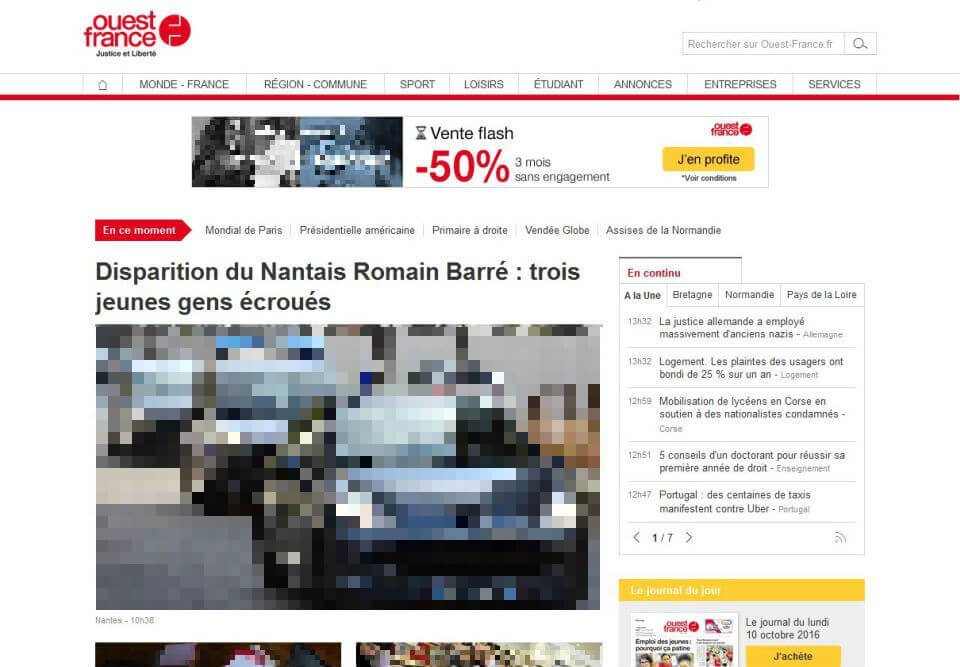
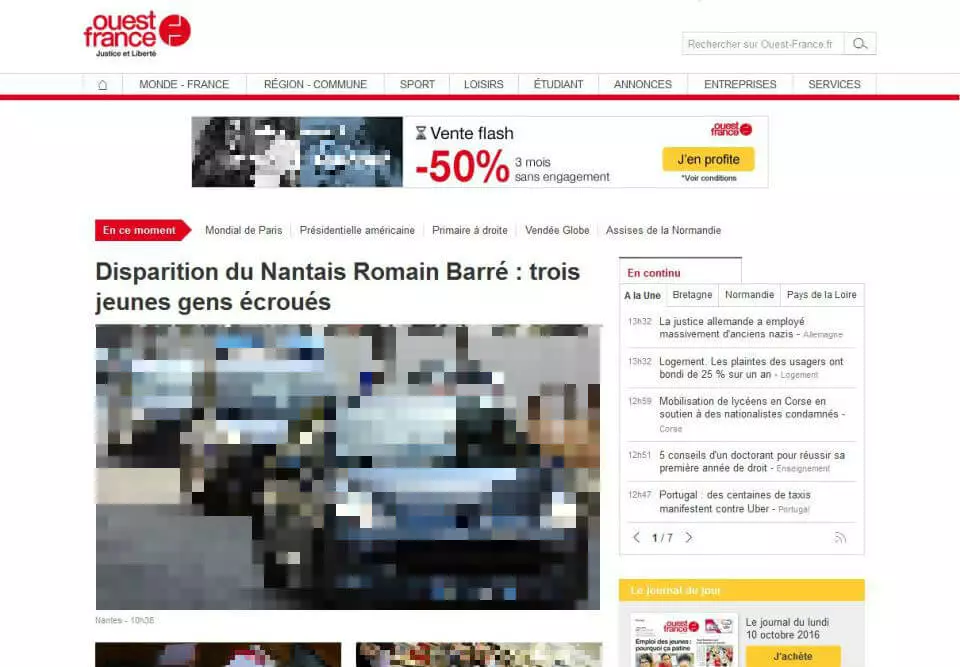
This Drupal theme was developed with the Bootstrap 3 framework and is a great option for commercial web presences. Bootstrap Business uses HTML5 and CSS3 and includes 12 preset colour schemes (each in two different variations).
Corporate Clean
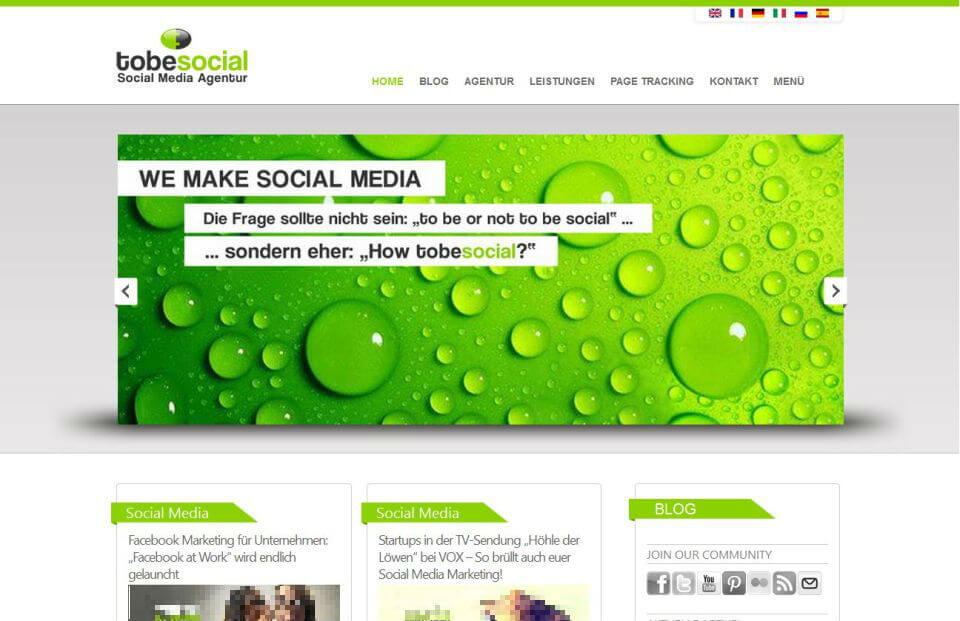
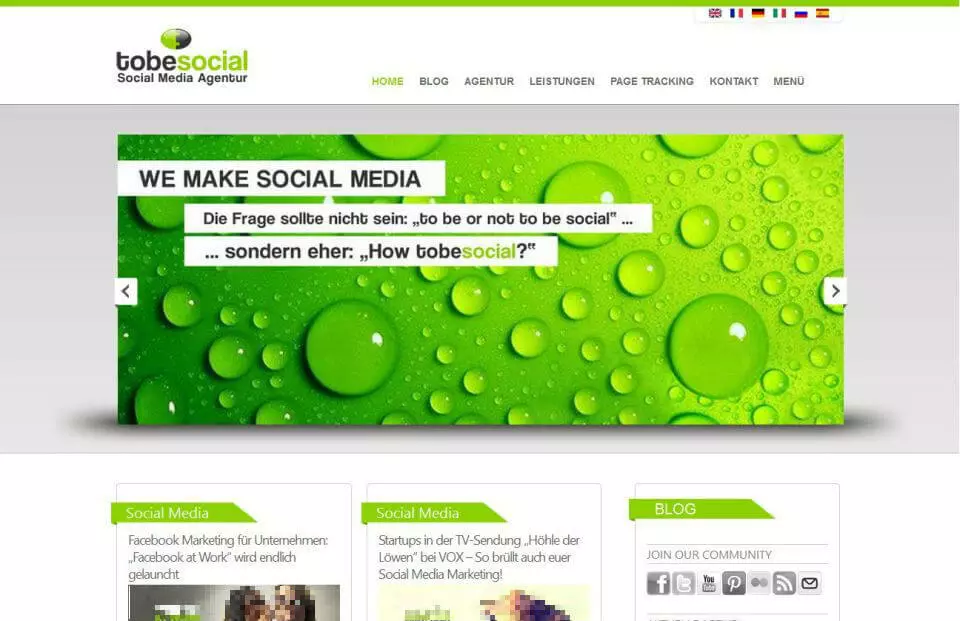
Another great theme for business websites, Corporate Clean is clearly laid out and minimalist in its design.
FontFolio
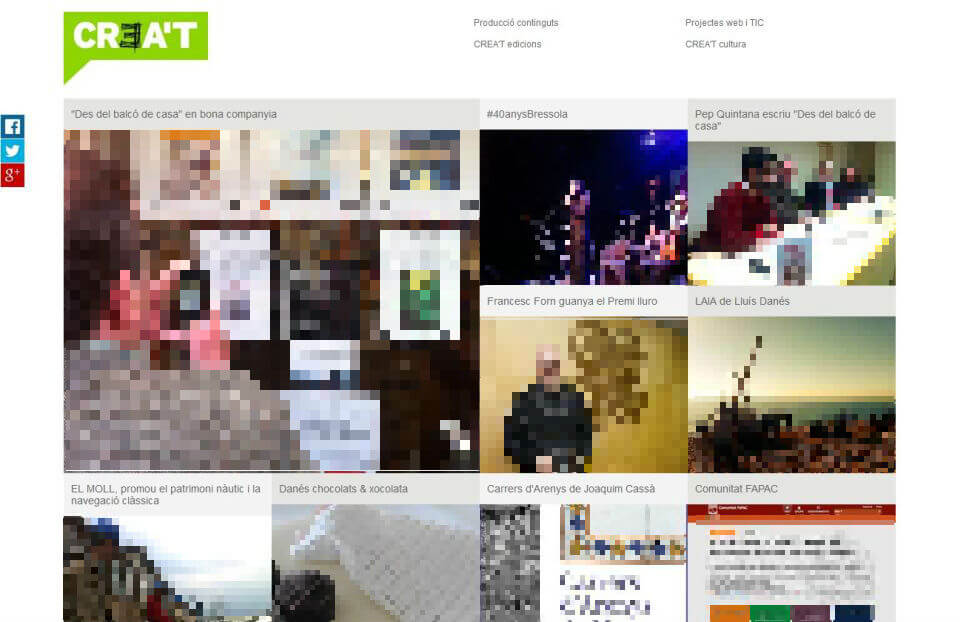
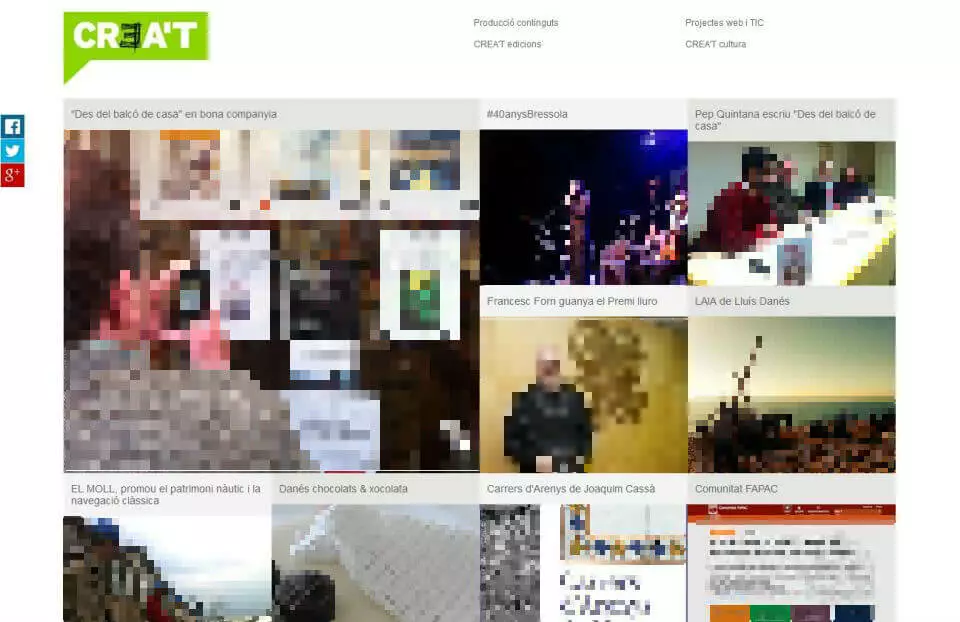
FontFolio is ideally suited to portfolio websites for artists, designers, and artisans. Product images can be viewed directly on the homepage in the form of a gallery. The theme also includes icons to share the images on social media.
Writer
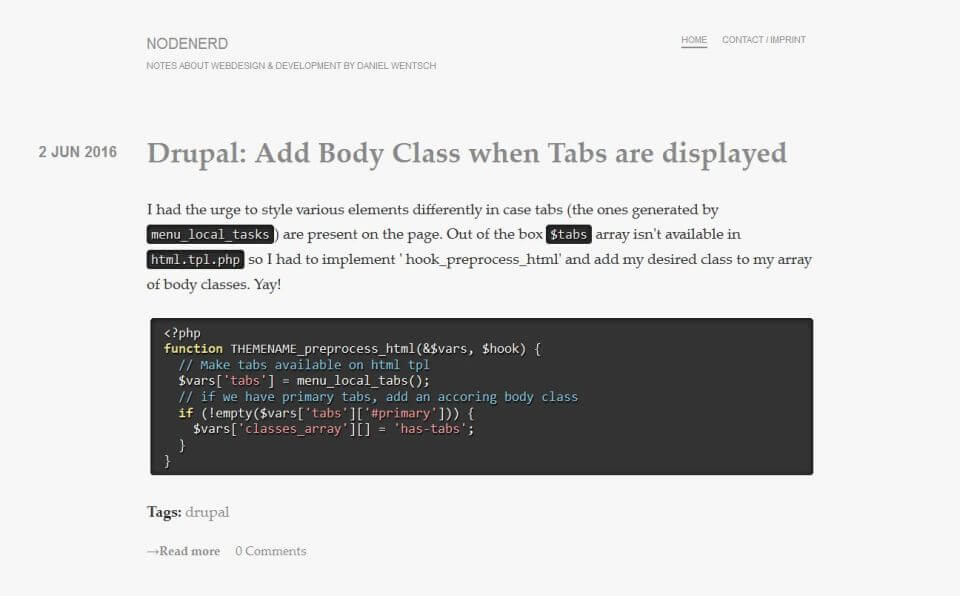
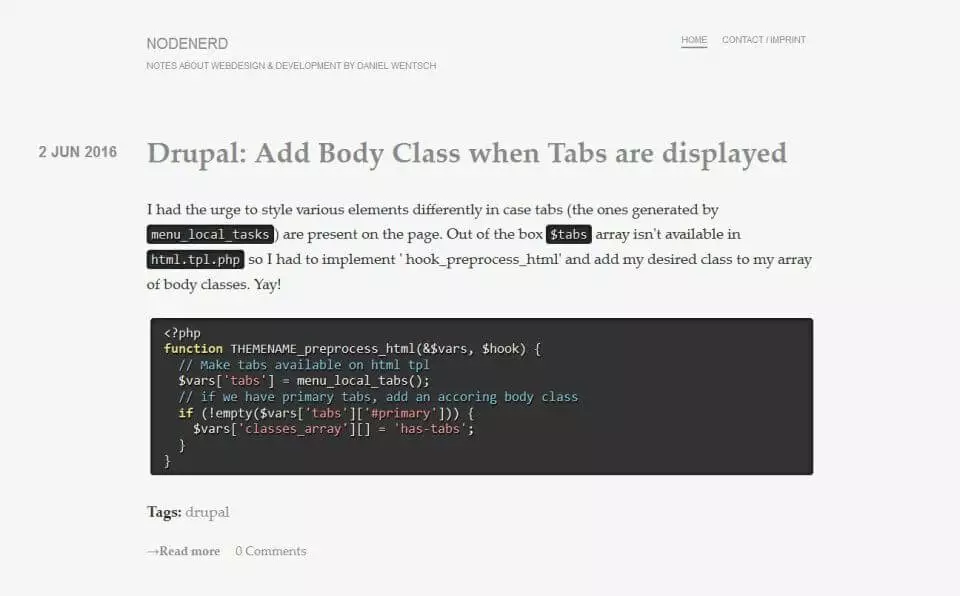
If your web presence or blog is strongly focused on textual content, Writer could be the perfect theme for you. Characterised by its minimalistic design, this Drupal theme uses the font Merriweather for headlines and body text, as well as Lato for headers and footers.
Conclusion
These design templates represent just a tiny sample of all the free Drupal themes on offer. Naturally, there are hundreds of themes worth considering, all of which are suited to different kinds of web projects. More and more responsive themes can be found amongst them. With Drupal being one of the world’s most active CMS communities, new themes and frameworks are always appearing on the scene. For Drupal users, this can only be a good thing.