Python Tutorial

In the early 1990s, Dutch programmer Guido van Rossum developed the Python programming language, which soon became a popular tool for writing scripts for audio recording and web development. And although there are now more alternatives than ever, the dynamic language is still just as popular nearly three decades later. Python programming skills are needed for a wide variety of projects, from web applications to embedded systems (such as microcomputers in home appliances) to enterprise software.
One of the main reasons for Python’s longevity is that it’s much easier for beginners to learn and use than many of the alternatives. This tutorial explains why that is and how to get started with the programming language.
Python basics: What makes the programming language unique?
Python is one of the most versatile programming languages, mainly because it supports multiple programming paradigms. For example, you can use it for object-oriented programming, aspect-oriented or functional programming. From the very beginning, Guido van Rossum’s goal was to develop a language that would help programmers write programs with easily readable source code. The foundation of the language is a clear, logical and easy-to-learn syntax, which uses English keywords instead of cryptic symbols and requires comparatively few language constructs.
Since 2001, Delaware-based Python Software Foundation (PSF) has been responsible for managing and fostering the development of Python. The non-profit organisation publishes and holds the rights to the free Python Software Foundation License (compatible with GNU GPL), under which the programming language is now licensed.
But it’s not just Python’s clear and easy-to-understand design that makes it so easy for beginners to learn the programming language. The language also has other advantages:
- Unlike C, Python doesn’t require curly braces because the block structure is automatically delimited by the indentations used for structuring.
- If a line contains only a single statement, no semicolon is required at the end of the line.
- Python doesn’t use variable declarations.
- Programs written in Python are usually much more streamlined than applications coded in traditional languages (such as Java), but are just as effective.
- Python provides an extensive standard library.
- The programming language is available on various platforms thanks to a highly portable interpreter.
- Ongoing development (in cooperation with the large Python community) is ensured.
Who is Python best for?
Python is great for beginners, but that doesn’t mean the language isn’t useful for experienced developers. This dynamic, universal language is extremely popular and competes with other established programming languages in many different areas of application. Despite its simple structure, Python programs offer the same capabilities, performance and quality as other alternatives. In short, Python is a very worthwhile language to learn, whether for professional or personal projects.
Python for Web and enterprise development: Useful, but not always the first choice
Whether you’re a beginner or an expert, you should first consider whether Python is the best choice for the projects you’re planning. For example, if you’re primarily interested in web development or similar applications, standard languages like PHP and Perl are essential. But Python also complements these languages and is a great asset for web development projects: You can use it to create very high-quality web applications, especially when combined with the CMS framework Django. The same is true when it comes to enterprise software, which is normally programmed in languages such as Java and C but can also be written in languages such as Python.
Embedded systems, machine learning, data science: Other great applications for Python
Python is extremely useful for developing embedded systems. These minicomputers, which perform simple monitoring or control functions or process data or signals, are used in almost all household appliances, from routers to TVs to refrigerators to washing machines. Python is highly recommended for programming these types of applications. Not surprisingly, Python is also a popular software platform for DIY projects with the Raspberry PI.
Python is also important for programming software with machine learning functions: You can easily create simple applications that don’t require deep learning (or processing of natural information) using the three Python libraries:scikit-learn, NumPy and pandas. Python has long been the first choice for these applications. Beyond the field of machine learning, the programming language is also useful if you work in the multidisciplinary field of data science and want to program software for mathematical or statistical calculations and forecasts.
Learning Python programming: What you need to get started
You need two things to learn how to program in Python: A code editor and the correct version of Python for your operating system.
The text editor can be any basic text editor such as the Notepad application that comes with Windows. To make things even easier when you get started with Python, use an editor like Notepad++, which has additional features like syntax highlighting or autocomplete. For a list of recommended solutions for Windows macOS, Linux or Android, see our article on the best code editors.
You can download the version you need from the download centre of the official Python website. Here you’ll find executable files, packaged source files or docker images for different operating systems. You can choose from packages for Windows, macOS and Linux as well as packages for iOS, Solaris and IBM i (formerly OS/400). If you’re just starting out with Python, we recommend downloading the latest version. You can also download several older versions going all the way back to the binary files of Python 1.1.
Python for beginners: The best tutorials for new programmers
If you’re new to programming, Python’s extensive online documentation, which explains the basics of the language, probably won’t be of much help. These types of manuals are usually intended for advanced users with experience in other programming languages.
If you’re an absolute beginner, there are excellent tutorials on the web that offer much better introductions to Python programming. We’ll introduce you to three of the most interesting and useful platforms for Python beginners below.
python4kids.net
“How to think like a Computer Scientist” is the title of an online Python tutorial by Allen B. Downey, Jeffrey Elkner and Chris Meyers. You can find it at python4kids. This helpful book uses Python to introduce programming to kids or anyone else interested in taking their first steps in the world of programming.
stackabuse.com
If you’re new to Python, check out the Python tutorial for absolute beginners from Stack Abuse. This resource is intended for those who have had absolutely no previous experience with Python. Having some existing programming knowledge will help you get ahead, but it is definitely not required.
 To display this video, third-party cookies are required. You can access and change your cookie settings here.
Learn Python on YouTube
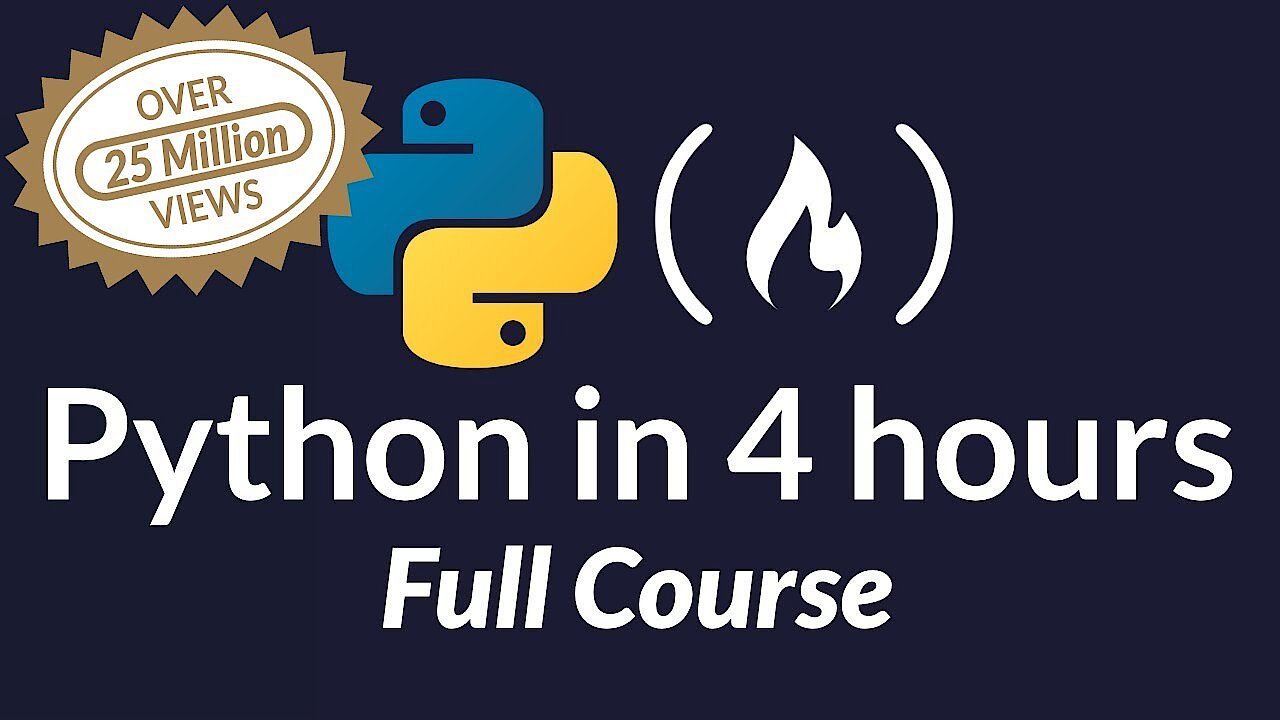
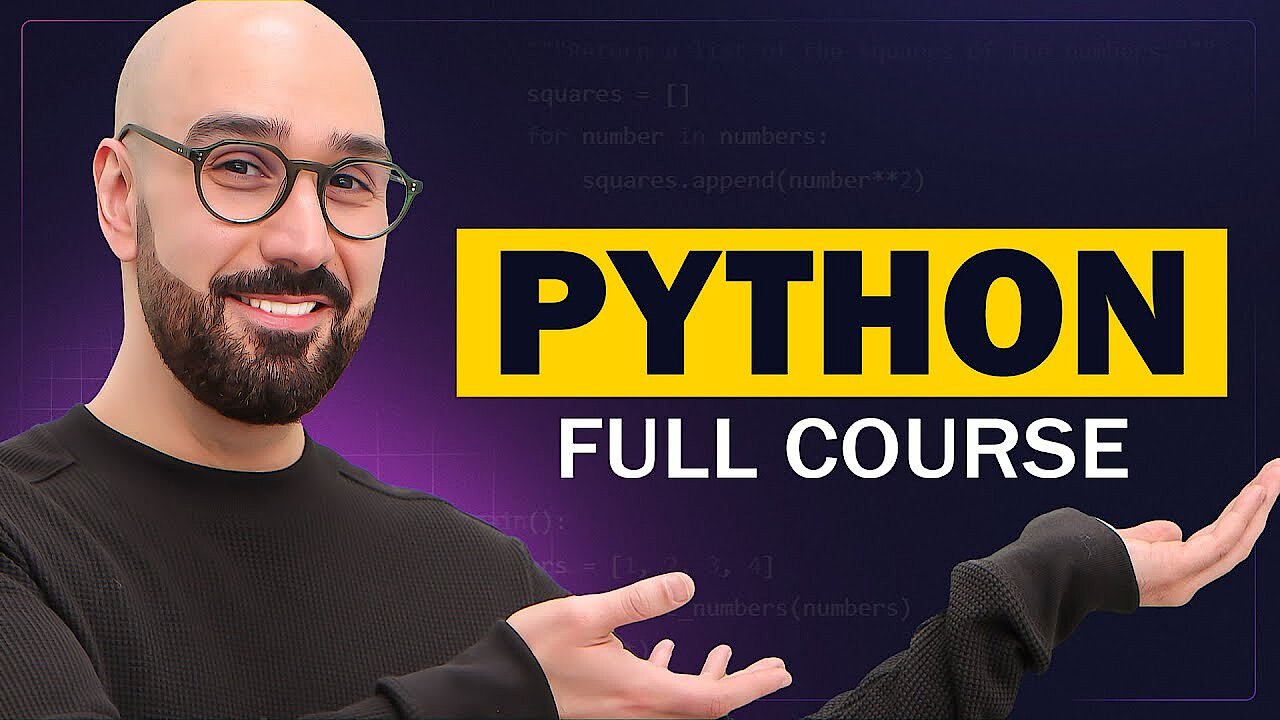
freeCodeCamp.org is a highly recommended YouTube channel for anyone who wants to learn Python. Their tutorial offers a full introduction to Python’s core concepts and makes it easy for anyone to follow along. The Python tutorials playlist by Programming with Mosh is also great for absolute beginners: Getting started with Python is a breeze with these instructional videos (the list is constantly growing), which explain the basics of Python in easy-to-understand language.
 To display this video, third-party cookies are required. You can access and change your cookie settings here.
Learning Python online: The best resources for advanced students
The websites and YouTube channels mentioned above are also great resources if you already have solid programming skills and you’re looking for more in-depth tutorials. In addition to the Python tutorials for beginners, you can check out tutorials and videos that teach you how to program in Python for specific application scenarios.
Of course, you can also learn the basics of Python in classroom courses at colleges and universities or in online training courses. However, these are paid courses that are aimed specifically at students who want to learn Python programming as part of a professional development program.
The perfect way to get started with Python: Tutorials
Practice makes perfect when it comes to learning Python programming. As with all programming languages, practical experience is essential, whether you’re completely new to programming or you’re learning Python as a second, third or fourth language. The online Python tutorials listed above are helpful, but you also must actively apply what you’ve learned. Test your knowledge right away by programming a mock project of your own.
Regularly check to see if you’ve understood the fundamentals of Python and internalise the basics well enough to teach them to someone else. You’ll soon be on your way to writing your own Python programs.
Reviewers

Anne-Laure Wolber
Anne-Laure has been part of the IONOS Digital Guide since its inception in 2016. As an expert in the startup category, she focuses primarily on the strategic integration of SEO, GEO and conversion rate optimisation. Over the years, she has also gained extensive experience in related performance disciplines such as lead generation and native advertising. As a polyglot, she leverages her multilingual background to develop content strategies with precision and impact for international audiences.

Christian Heldmaier
Christian Heldmaier is an experienced online marketing and SEO specialist from Karlsruhe. He has been working as an SEO Manager at IONOS since July 2020.