

Referral marketing: when satisfied customers bring in more customers

In traditional advertising, companies present their product or services to potential customers. They pay for advertising space on TV, the internet, radio, or print media. This kind of advertising is of course far from neutral, as companies only highlight the advantages of their product. Referral marketing, on the other hand, is grown out of authentic reviews from real customers. Keep reading to find out what makes for a successful referral marketing strategy and how you can implement it in your campaign.
What is referral marketing?
The simple definition of referral marketing is the process in which satisfied existing customers win over new customers with their recommendations. But what does this mean in practice?
In practice, this typically means that customers who were satisfied with their own experience with a product or service become brand advocates. These customers make recommendations via a variety of channels, including conversations with friends and family, reviews in your online shop, and social media platforms. The most important aspect of a successful referral marketing strategy is motivating customers to continue making recommendations in the long term. And the larger your customer base is, the faster you’ll see an increase in profits using this marketing method.
In order to ensure that potential customers find you without referrals from existing customers, make sure to properly promote your website.
The primary goal of referral marketing is generating conversions and leads, and ultimately increasing sales. As a bonus, this marketing strategy can also strengthen your brand identity and trust in your brand. Recommendations from real customers promote credibility and authenticity. That’s why referral marketing is often more effective than traditional marketing, even though it costs less.
How does referral marketing work?
In referral marketing, customers become advertising partners. The basis for this marketing strategy are satisfied existing customers, whose expectations and desires have been fulfilled by your product or service. In order to get to this point, it’s crucial to regularly analyse your customer base and perform market research. This kind of research allows you to get to know your customers and their needs and adapt your product accordingly.
The second step is to motivate your customers to talk about their positive experience with your product. One good method for this is providing incentives, for example, discounts or promotional giveaways.
Personal recommendations to friends or family have the largest influence on customer loyalty.
Customers mainly tell others about their favourite products in person or online. Companies can actively encourage their customers to leave reviews, for example, by using review sites, or integrating a comment box in their online shop or on social media. As a positive side effect, companies have more control over customer feedback and can keep better tabs on it.
As is also the case for traditional advertising methods, measuring the success of your campaign is an important instrument in referral marketing. If you have an online shop, you can do this as follows: Ask all your existing customers if they would recommend your product or service to a friend, and ask new customers how they found out about your company. You can then use these numbers to calculate the recommendation rate as a financial ratio.
Referral marketing vs. word-of-mouth marketing
The terms “referral marketing” and “word-of-mouth marketing” are often used interchangeably. However, if we’re being precise, there are differences between the two marketing methods. In the case of referral marketing, the main goal is to encourage customers to give explicit recommendations and reviews. Satisfied customers convey the value of the product and talk about their personal experience with it. Word-of-mouth marketing, on the other hand, refers more generally to the pure transmission of information. For example, if someone tells their friend about a new store opening in town, it’s not necessarily a recommendation but does count as word-of-mouth marketing.
The three pillars of referral marketing
A prerequisite for a successful referral marketing strategy is a clear corporate identity. Once that’s in place, you can concentrate on the three pillars of referral marketing, which are closely connected to one another and crucial for a successful campaign.
Pillar 1: Existing customers and their satisfaction
Your existing customer base will form the foundation of your referral marketing strategy. Only satisfied purchasers will give recommendations to prospective customers. That’s why investing in strengthening the connection with your customers and increasing customer satisfaction are of crucial importance. Professional customer support and a smooth shopping experience will leave a positive impression on your customers. Even after a purchase has been completed, companies can influence customer satisfaction with, for example, greeting cards, promotional giveaways, and discounts.
Pillar 2: Your company’s employees
Employees represent your company to the outside world. In many cases, they’re in direct contact with customers, for example in stores, on the phone, via email, or on social media. This means that your employees will have a significant effect on customer experiences. Competent, helpful, and friendly employees leave a positive impression and lay an important foundation for recommendations. Take advantage of the benefits of digital customer relationship management to score points with individualised customer service and to optimise the customer experience.
In addition, employees can themselves be sources of recommendations. If employees convey a positive work environment and stand behind your company’s products and services, this can also become a factor in the success of your referral marketing strategy. So it’s worth investing in your employees and their satisfaction. Bonuses, company outings, events, a transparent company culture, open communication, and respect for your employees are just a few of the possible ways to motivate your team.
Pillar 3: Communication and network
Different companies have different ways of coming into contact with customers – in person, in writing, or on the phone. Positive, customer-oriented communication forms the third pillar of a successful referral marketing strategy. Since your employees are usually the ones speaking with customers, it’s important to invest in their communication skills.
A further aspect of communication is authenticity and honesty in what your company says. Truthful marketing messages create long-term trust with customers. When employees or customers convey these messages, they become even more credible. You should also use your existing network and invest in relationships with business partners.
Pros and cons of referral marketing
Referral marketing is highly efficient and generally very cost-effective. Other advantages include:
- Credibility: Hearing about the experiences of real, satisfied customers leaves a credible and authentic impression.
- Faster purchasing decisions: Personal recommendations convince customers more rapidly of the usefulness of a product and leave fewer doubts or questions.
- Brand development and trust: Referral marketing strengthens customer trust in a brand.
- Increased sales from existing customers: Giving recommendations increases customers’ loyalty to a company. This can increase your customer base and lead to more regular sales.
The disadvantages of referral marketing include:
- Existing customers are a prerequisite: The idea of referral marketing requires that existing customers share their experiences with others. So for new companies with relatively few customers, it may be harder to implement it right away.
- Unsatisfied customers and bad reviews: Unsatisfied customers are hard to avoid. If you encourage every customer to share their opinion, you might end up with unflattering reviews.
- Public reviews: Public platforms like Google Reviews or Trustpilot come with the risk of misuse – whether by competing companies or dissatisfied customers.
Another factor for success that new companies may not be able to afford is SEO implemented by expert agencies. The IONOS rankingCoach is a cost-effective alternative for managing your own SEO.
Referral marketing: Real-life examples
Many companies use referral marketing with varying success. The following examples show different approaches to the marketing method.
Dropbox: More storage space for everyone
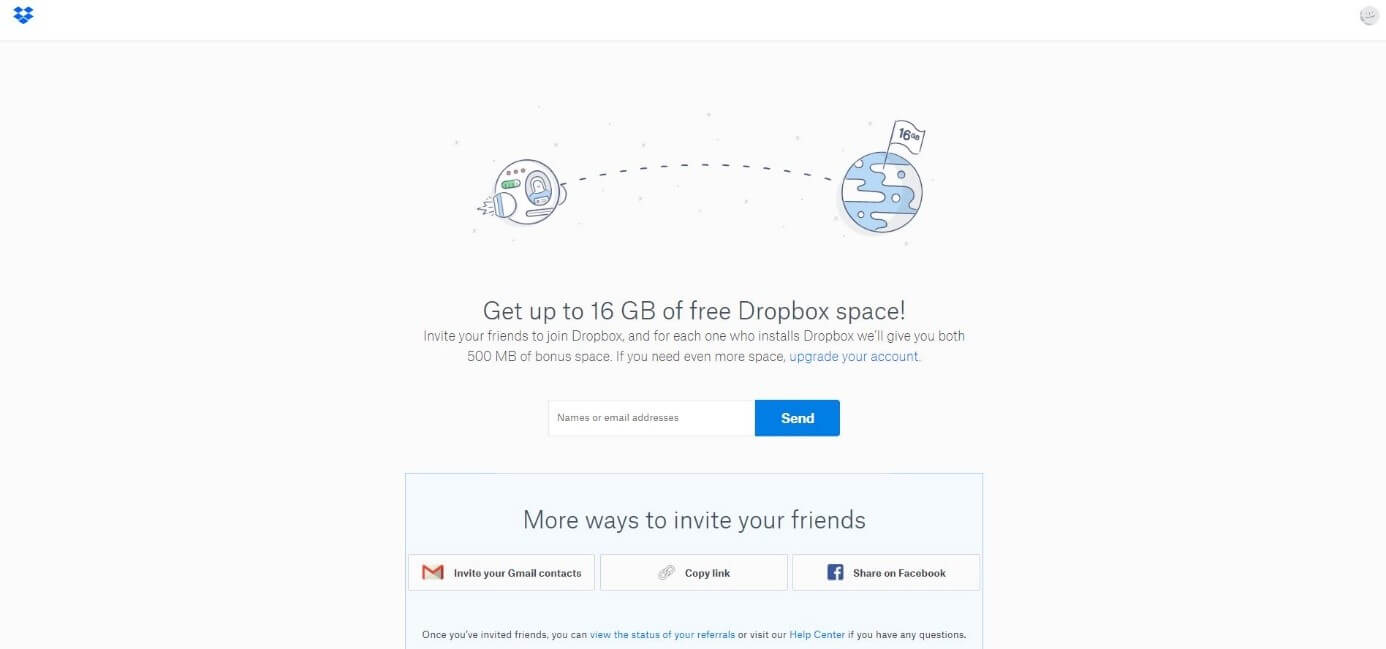
Dropbox is one of the best-known examples of a company that grew due to referral marketing. When a new user signs up based on a recommendation from a friend, Dropbox will reward both users with an extra 500 megabytes of storage space. This also increases the likelihood that the new customer will refer one of their friends to the service. In addition, Dropbox offers customers multiple options for inviting their friends.

AAA: Refer a friend
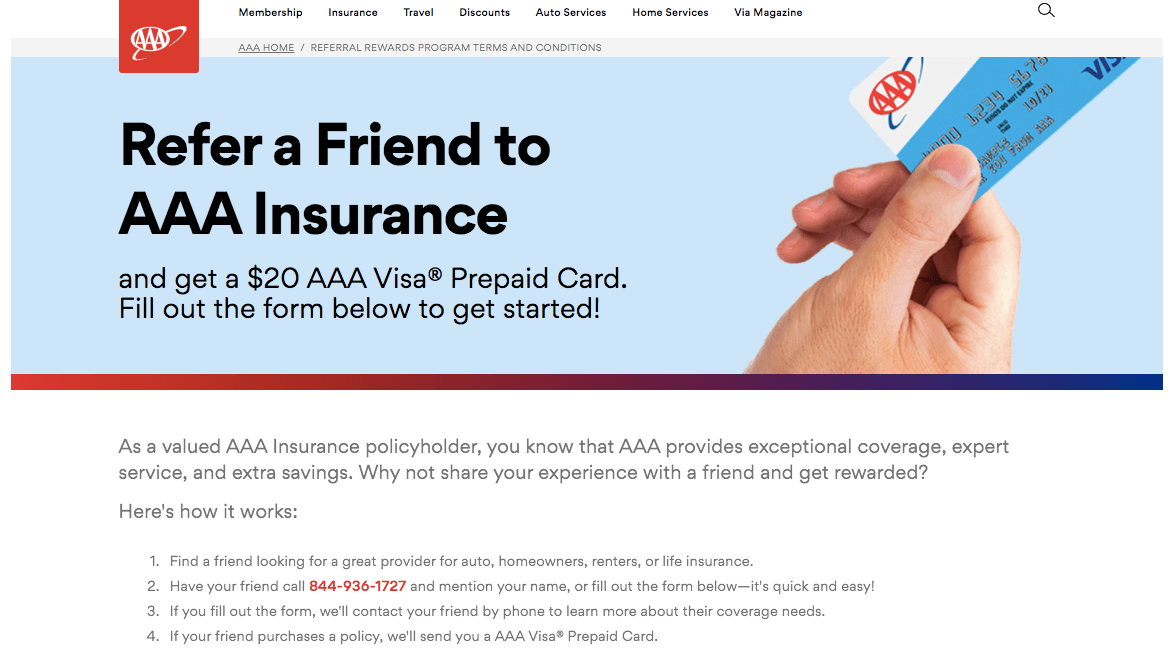
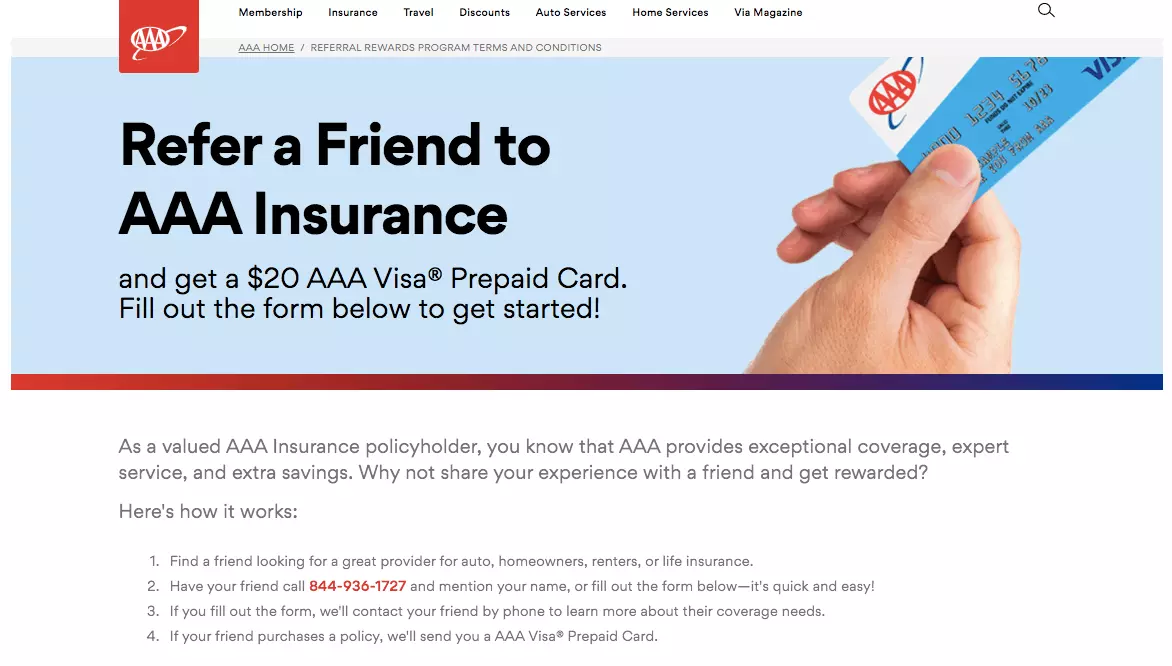
AAA Insurance explicitly calls on its members to refer their friends. As an incentive, the existing customer is rewarded with a pre-paid Visa card. AAA makes the process simple by laying out how to make a referral in step-by-step instructions.
Lime: Vouchers as reward for referrals
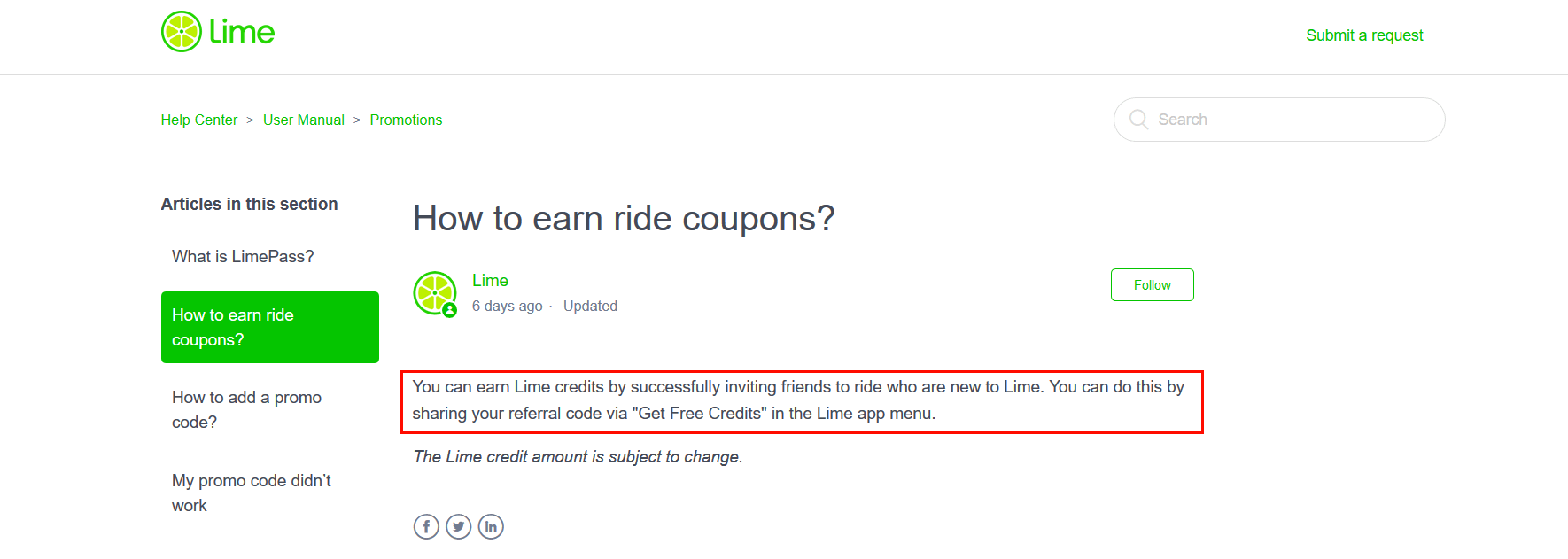
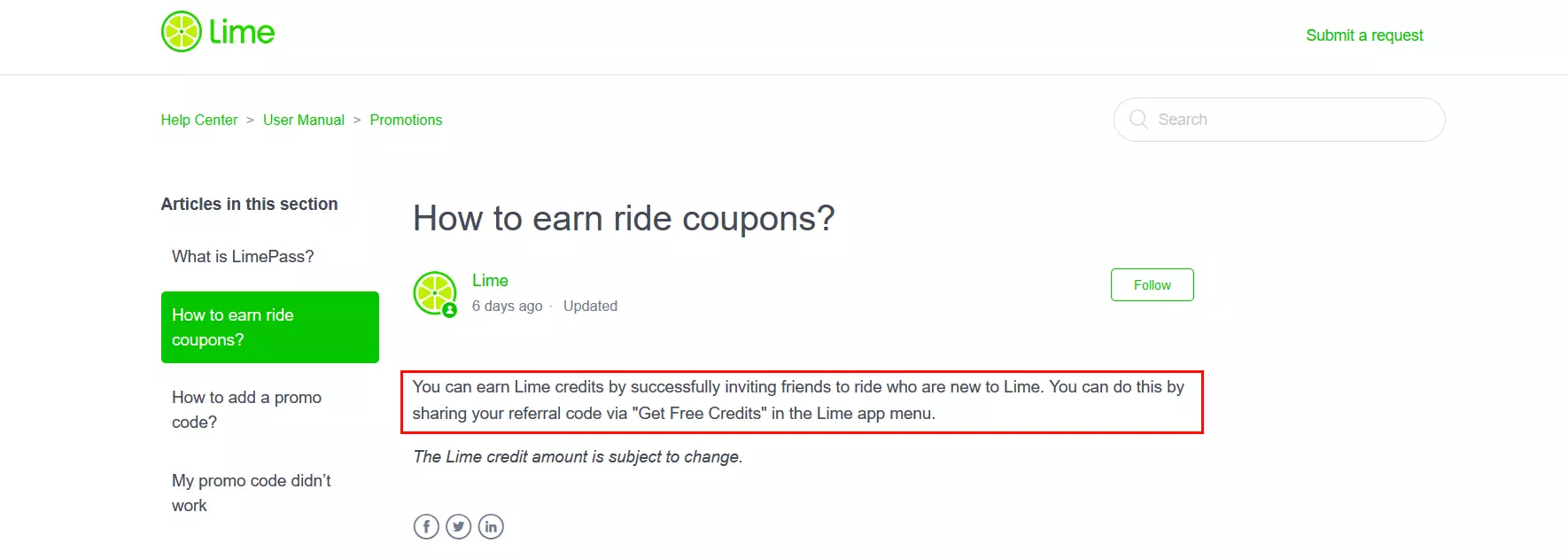
The bike share and e-scooter company Lime provides free vouchers to customers who get friends to ride with Lime. Customers can share a referral code with friends, and will be rewarded with free rides if their friends use the code to book a bike or scooter. However, this information is not well-advertised on their website.
Tips for successfully implementing referral marketing
Now that you have a better idea of what referral marketing is, let’s take a look at how to successfully implement it.
Tip 1: Don’t leave anything to chance
Satisfied customers won’t automatically share their experiences with others. In other words, referral marketing requires a systematic approach. Actively encourage your customers to rate your company on review platforms or share their experiences either online or in person.
Social selling leads to positive customer experiences and a closer connection between customer and company. Learn more in our article on the topic.
Tip 2: Make referrals simple
The easier you make it for customers to leave reviews or make referrals, the more frequently it will happen. A good example are social media buttons, which customers can use to communicate with friends and followers in just one click.
Tip 3: Offer rewards
Don’t just ask your customers to recommend your company to friends, but offer them a reward when they do. Bonuses, discounts, and giveaways can act as incentives.
Tip 4: Leave a positive impression
Satisfied customers are those that have had a positive experience with your company. This is not only influenced by your product or service itself but also by the additional services you provide. Being easily reachable for questions and having a simple and smooth purchase process are part of a positive customer experience. Respond quickly and helpfully to customers’ questions, comments, and criticism. Actively finding solutions has a positive influence on customer experiences.
Tip 5: Make your own recommendations
Don’t leave all the talking up to your customers. You should also share your own positive experiences. This conveys honesty and authenticity and could lead to new B2B customers.
Tip 6: Transparency with reviews
Clearly communicate the review process. If reviews are publicly displayed on your website, make sure that customers know that in advance.
Tip 7: Integrate influencer marketing
Breaking into referral marketing can be difficult for new companies with a relatively small customer base. Influencer marketing sits at the intersection of traditional advertising and personal recommendations. It gives young companies the chance to quickly spread the word about their product and build a customer base.
Inbound marketing also offers cost-effective options for informing potential customers about your product.