

Microblogging: a new way to blog

The term microblogging refers to a method of communication that combines the key features of blogging and instant messaging. Microblogging allows users to compose short, snappy posts and messages and share them with a follower base online. Despite the rising popularity of microblogging platforms, its predecessor is also more widely used than ever. The main difference is simply that the content is more compressed with microblogging than in traditional blog posts. Since the internet became a widely accessible tool in the 90s, blogging has been a popular method of sharing experiences, news, and information with people around the world. Fast-forward twenty years and we can now find bloggers specialising in all kinds of topics in the farthest reaches of the internet. Fashion and travel blogs are by far the most popular, with some bloggers in this sphere boasting millions of readers. But there is a blog for practically every subject imaginable, from astronomy to business, from art to extreme sports.
What is microblogging?
In contrast to traditional blogging, microblogging is distinguished by condensing the information into a microformat. The social media platform, Twitter is particularly well known for giving rise to this form of blogging. While it may not always be easy to summarise complex topics in 144 characters, the benefits of communicating in this way are clear to see; brief, snappy posts enable users to exchange information with a wide audience quickly and effectively. This is especially convenient for smartphone users, as the small screen size lends itself to creating short messages, rather than scrolling and composing lengthy articles. Short posts (including the ever-popular tweets) can be published in a variety of formats, including the typical text and image formats as well as videos, audio messages and hyperlinks. The microblogging trend emerged towards the end of the era of web 2.0, as traditional blogging started to incorporate various social media characteristics. The zeitgeist demanded a shorter, more direct form of blogging. Microblogging is essentially a method of creating short text messages for an online audience. It’s therefore a useful channel for fast and easy communication, and a way to inform a large group of people simultaneously about current news. Microblogging has also become an important method of communication for universities and educational institutions. In recent years, a number of apps have been developed that allow researchers to discuss common interests and share exciting new discoveries. Using these, it’s possible to draw attention to a particular project and arouse the interest of fellow researchers. At some universities, microblogging is being used for more specific purposes: for example, regular short updates are being used to help students meet deadlines and promote their work, as well as keeping information and course materials relevant and up-to-date. Some faculties even offer courses on microblogging. In this way, a backchannel is created for the students outside the seminar room. For example, Stephen Prothero, professor of Religion at Boston University, set himself the ambitious goal of using Twitter to summarise the characteristics of the eight major world religions, naturally, less than 140 characters per post.
 To display this video, third-party cookies are required. You can access and change your cookie settings here.
The advantages of microblogging compared to traditional blogging
What benefits are there to publishing your content on a microblogging provider, if a normal blog would also suffice? Here are just a few reasons why it’s worth using microblogging services like Twitter or Tumblr:
-
Takes less time to create content: putting a long blog entry together takes time. Microblogging, on the other hand, is a different story altogether. The art of microblogging is expressing yourself concisely. When mastered, current events can be reported in real time, with only the core information being conveyed. In contrast, users expect a deeper discussion when reading a longer blog post. This, of course, takes more time.
-
High density of information and sticking to the basics: microblogging is primarily aimed at the users of mobile devices. As smartphones and tablets are often used while on the go, the user has no time to scroll through pages of text. It’s therefore important to get to the point when reaching out to these users, and condense the essential information into short, cleverly-worded posts. Influenced by the presence of microblogging, shorter formats such as lists are becoming more and more popular in contemporary media, and most users are already used to content like this.
-
More posts in less time: traditional blogging usually involves posting detailed articles, often with a few days between each new post. Microblogging, on the other hand, is the exact opposite: shorter, more frequent posts. This is exceptionally useful for those commentating on current affairs and events that change rapidly, including politics, sporting events, and celebrity news. Frequent, brief updates are therefore the best way to keep your finger on the pulse.
-
Posting in real time: most microblogging platforms have been developed with a strong focus on simple and fast usability. Tweets, Instagram photos, and Tumblr posts can capture a fleeting moment, which can be lost in a long-winded text.
Microblogging platforms offer a simple way to exchange points of view and feedback with followers. Not only are they capable of spreading news quickly and easily, but users can also react to posts in real time. The reciprocal exchange between users takes place through comment functions, retweets, reblogs or forwarding. If content is strong and interesting, it will be spread through the community without the need for promotion, potentially even going viral. Mobile hotspots and 4G means that more and more people can microblog remotely. It’s far more convenient for users to send a tweet spontaneously using their smartphone, rather than wait to use their PC, which can be a lengthier, more cumbersome process. For many users, using a mobile device to write lengthy blog posts is inconvenient. Thanks to its quick and easy nature, microblogging is the ideal solution for posting on the move.
The most popular microblogging sites
Nowadays, users want and expect short, regular updates on social media sites, particularly since many internet users now browse casually on their mobile devices while on the move. Due to developments in communication and technology, the way we consume information is now completely different from when print media had its heyday. One thing is certain: our average attention span is shorter than ever before – we tend to judge the quality of social media posts in seconds.
Twitter: the most famous microblogging service
Twitter is one of the best-known social media platforms that falls under the microblogging category. In 2006, co-founder Jack Dorsey dreamt up the concept for Twitter, which was originally supposed to be an SMS-based method of communication. The core concept was to create and compile status updates in order to keep up with friends. This would have provided an alternative for group text messaging. The site, however, quickly developed into something far bigger. As Twitter started to attract more and more users, something strange happened: the users themselves began to develop their own jargons and new creative ways to use the service. Originally, Twitter users were unable to respond directly to tweets, but when some began to insert the ‘@’ symbol in front of a username to address another user within a tweet, the Twitter team implemented this feature into their platform natively. Users are also responsible for creating the popular hashtag feature, which is now an integral part of Twitter and has been adopted by other major social media platforms. Users also had an input in creating the retweet feature, which allows them to repost other users’ tweets, while simultaneously addressing their users. The service continues to limit tweets to 144 characters, but in addition to text, users are now also able to post various types of media including videos, photos, links, and audio clips.
Tumblr: the microblogging all-rounder
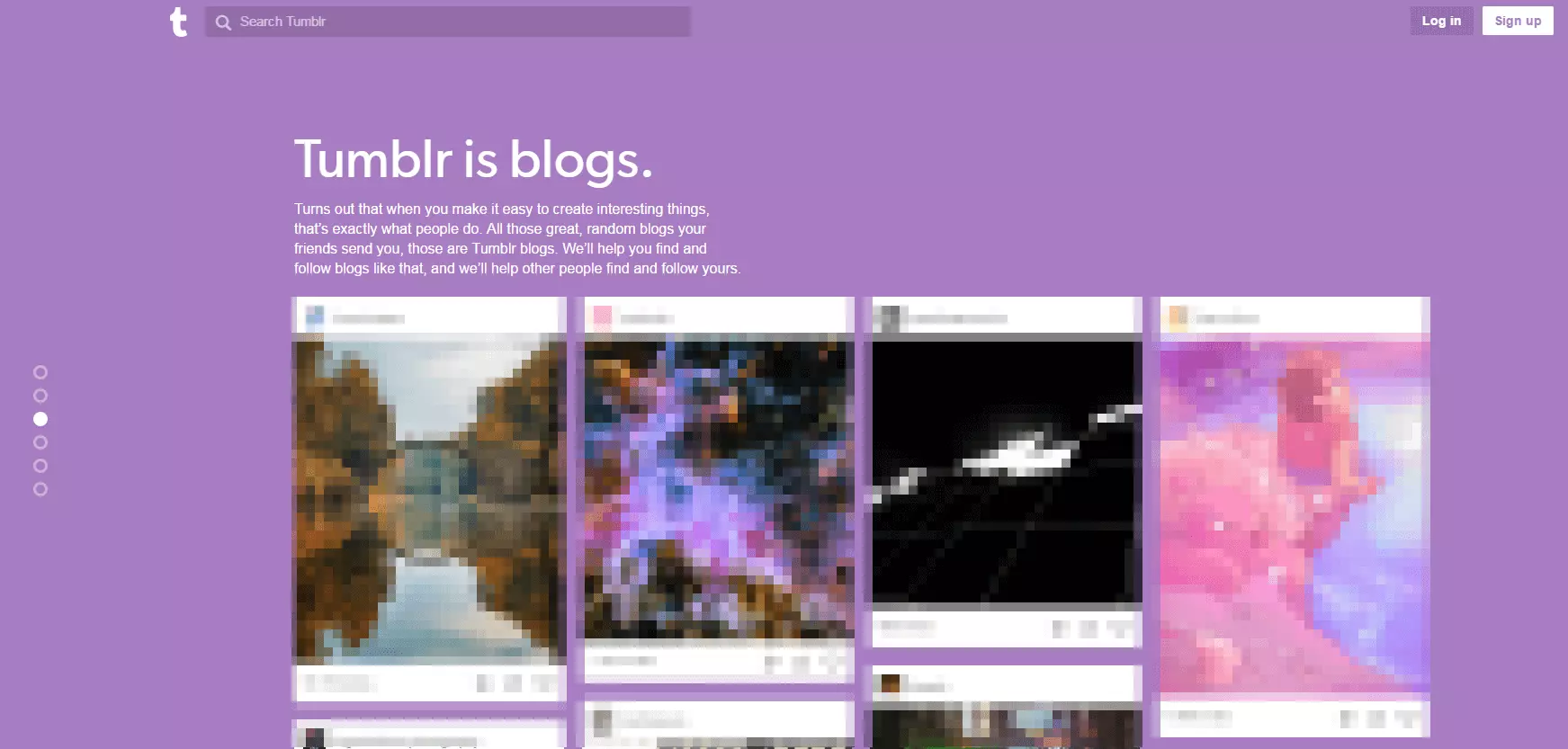
When Tumblr founder David Karp was 19 years old, a new term began to circulate online. The word, ‘tumblelog’, referred to short blog posts. This concept inspired Karp, who subsequently started developing his own website with the help of his friend Marco Arment. November 2007 finally saw the launch of Tumblr, thus changing the face of microblogging forever. Tumblr is undeniably inspired by Twitter, although it has fewer limitations and can boast a range of additional functions. With Tumblr, users are not limited to a certain number of characters, as with Twitter. This means that it’s also possible to create longer Tumblr posts. However, the most popular posts nearly always consist of visual media, (i.e. photo sets, GIFs) rather than relying on text. Tumblr’s user base is growing rapidly and shows no signs of letting up. This is mainly due to the microblogging platform’s unique approach of combining several popular web 2.0 features.

Instagram: the visual microblogging app
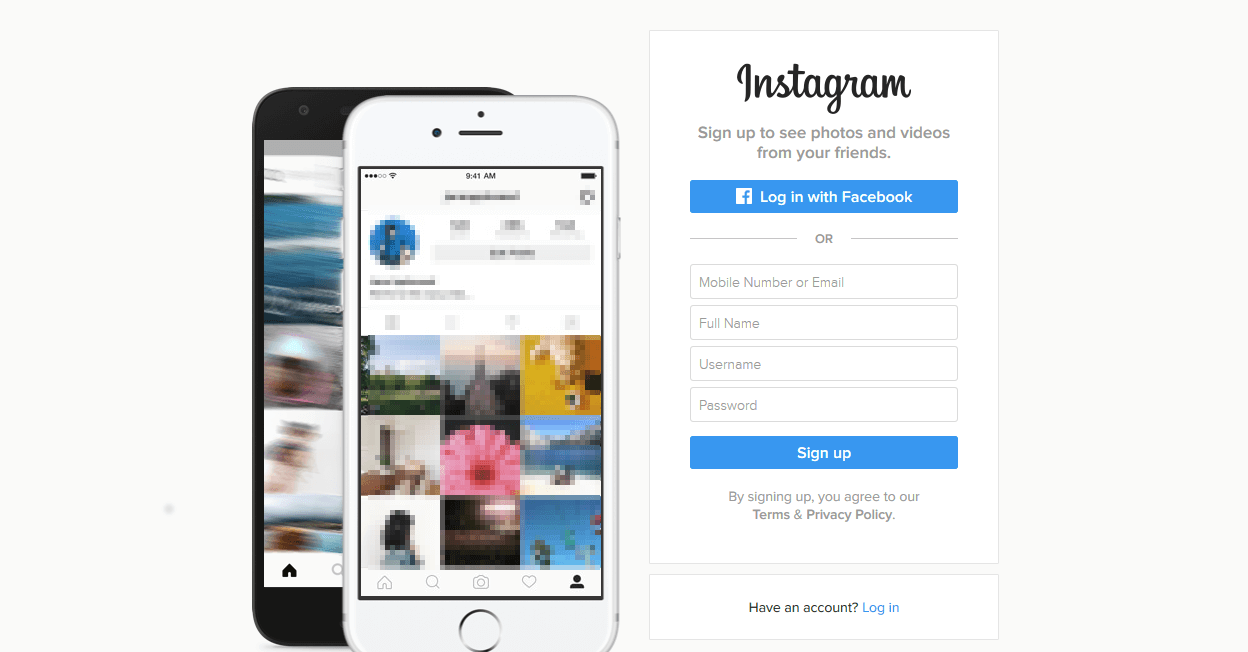
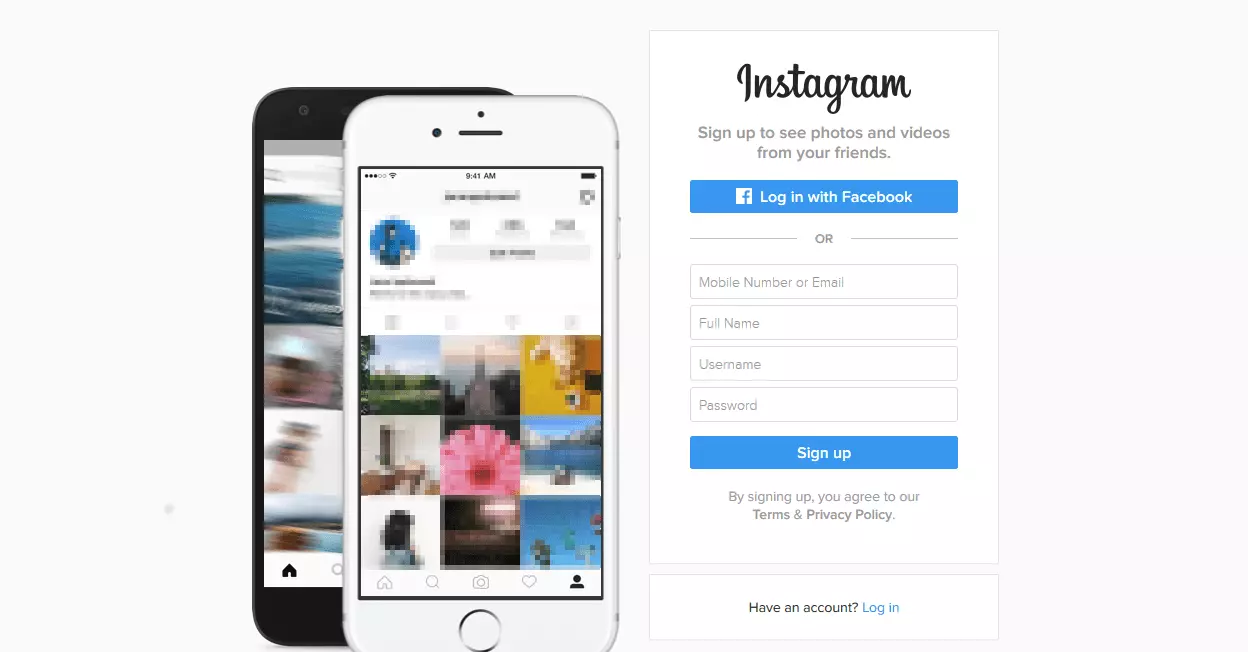
Since launching in October 2010, Instagram has gone on to become one of the most successful mobile apps of all time. With Instagram, users can upload visual content and share their photos and videos with the world. The image-sharing platform was the first of its kind, which contributed to its immense popularity. The platform also boasts a selection of filters and editing tools for users to transform their photos into artistic and professional-looking images. Images can be uploaded in real time so that Instagram users can share life events with their followers as they occur. This also makes it easier to share and spread content instantly across other platforms. Thanks to Instagram, you can easily share photos on Facebook, Twitter, Tumblr, Flickr, and Foursquare. With the app, users can view the latest posts on their news feed, check their notifications for new activity on their own posts, browse related accounts, and write comments on images. In addition, they have access to all public images and videos. It is also possible to tag other users in comments and photos, which helps users to publicise their content beyond their own community. Instagram is also accessible via desktop browser, but with this, users can only view, comment, and like images. The mobile app is required in order to upload photos.
Reviewer

Melissa Senn
Melissa Senn has been with IONOS since 2016 and focuses on website, e-commerce, social media, and AI in the Digital Guide. As a digital strategist, she uses her extensive SEO and GEO experience to transform complex technological trends into practical content.