

What is gender marketing?

Gender based marketing: the division of target groups into men and women, has to be thought of quite differently these days. Those who base their marketing strategy on outdated role clichés will have little success with it but will certainly reap plenty of criticism. Nevertheless, gender marketing can be successful if individuality and diversity are taken into consideration.
A definition of gender-based marketing
Gender has a very specific meaning, which differs to ‘sex’; when we refer to a person’s ‘sex’ we are speaking of their biological sex (i.e. male or female). This is strictly physiological, whereas the term ‘gender’ refers to a sociocultural construct. Their gender is determined by the different gender roles and behavioural differences between men and women, which are strongly influenced by society and culture. Gender marketing is based on the various properties assigned to men and women, both physical characteristics and interests.
Behavioural and psychological differences between men and women are the central focus of gender studies. In addition to being a fascinating area of sociology or psychology, gender studies can produce interesting insights for marketing purposes. Many marketing strategies now use gender marketing techniques, tailoring advertising content and techniques to the different consumption and purchasing behaviour of the genders.
From this point of view, gender is understood as a target group in which different buyer personas, i.e. prototypes of buyers - can be identified.
Gender-specific differences in consumer behaviour
Research assumes different decision-making processes. The purchasing process can be divided into five phases:
- Determining a requirement
- Conducting an overview of the market
- Product comparison
- Selecting a product
- Purchasing the product
Men tend to take a rather more linear path to their product, only going through each phase one time. They generally concentrate on their current requirements and therefore go through each individual stage successively. The consensus when it comes to men’s shopping habits is that they search for a good solution to their ‘problem’, i.e. finding the appropriate product for their needs.
Women tend to often go through a spiralling thought process when purchasing items, passing through individual decision phases several times. Their approach is to find a perfect solution to their problem. A decision is usually determined by a detailed list of criteria, which can often change.
While these findings are interesting for marketing measures, they should always be put into the right context. Stereotypes and statistical values are assumed here. Not every man or woman is the same. Furthermore, these considerations leave out people who do not feel they belong to either group (male or female).
How does gender marketing work?
Gender marketing encompasses every aspect of sales, incorporating the gender-specific demands of consumers in the production process, distribution, as well as communications strategies. A successful marketing mix usually uses the following seven marketing tools: product (product policy), price (price policy), place (distribution policy), promotion (communication policy), personnel (personnel policy), process (equipment policy), and physical facilities.
Product, place, promotion, and personnel are particularly interesting factors when it comes to gender marketing, as advertisers can tailor these areas to the different demands and preferences of men and women. In the following, we explain how you can use gender marketing to advertise and sell your goods and services successfully.
Product
Encompassing the entire process of designing a product, the product policy is the heart of any marketing campaign and influences all further stages in the marketing process. This initial stage in the development process is often crucial in deciding whether a product is successful.
From the outset, it’s integral for you as a company to consider the target group you want to address and the demands specific to individual consumers within this group. There are several factors to contemplate when selecting your target group, e.g. age group, social status, and lifestyle. It is during this stage that you should consider whether gender marketing is an appropriate method for you. Is your customer base made up of mostly men, women, or both? Do all members of your target audience require your product in the same way, or do their needs depend on their gender?
Gender marketing not only takes the physical uses of the product into account, but also the different associations that women and men have about the product. Many (extremely successful) goods and service are marketed in completely different ways to appeal to men and women, although strictly speaking, both sexes could use them. Think of razors, for example, despite being essentially the same, they are designed and marketed differently for men and women.
There are several other products that can be divided into gendered categories. Advertisers often develop entire product ranges separated into female and male interest areas. It’s therefore possible for marketers to develop gender-specific sales strategies.
Place
‘Place’ refers to the sales environment in which consumers go shopping. No matter whether they’re physically entering a store or browsing online shops, the sales environment plays a decisive role in making a purchase. If you have a brick-and-mortar store, your need to consider factors such as light conditions, storage and presentation, cleanliness, etc., while website owners have to create an appealing virtual environment. For this, you have to keep in mind factors such as web design, presentation, and informative content, as well as website navigation. But if you want to offer gender-specific products, what should you look out for when creating the sales environment?
While one group (tending to be female) pays more attention to cleanliness and order, colourful walls and warm lighting conditions, the other side (tending to be male) is concerned with quick purchasing success: men want to be guided quickly to the desired product and then also complete the purchase just as quickly. That’s why many electronics stores, for example, aim for a structured and simple sales environment.
Creating a gender-specific sales environment can drastically increase sales, and website operators have been quick to pick up on this trend. While of course, the sales techniques are different from traditional retail, the different needs of women and men are also important in the digital world. This applies not only to web design, which can be adapted to the genders, but also to the texts and product presentations. Research has shown that women tend to prefer static images, while men are able to better process videos about services or the product.
In accordance with their aim of making purchases quickly and efficiently, men prefer product descriptions that are brief and to the point, listing the product’s most important properties and, where possible, giving specific numbers, data, and facts. Women, on the other hand, are generally willing to read longer, more descriptive texts, because they tend to want to be as informed as much as possible about the range of products on offer. These should clarify the possible applications and the benefits of the advertised product as precisely as possible.
Promotion
‘Promotion’ encompasses all internal and external communications methods used to advertise a product. These include, but are not limited to, television commercials, online communications carried out on social media platforms, and e-mail marketing, all of which, when correctly implemented, can potentially reach many new customers. One unique example of commercial emails is that, with sufficient user data, it’s possible to personalise and tailor the emails to the receiver, making them an ideal resource for gender marketing.
Personnel
‘Personnel’ includes all individuals who provide services to (potential) customers on behalf of a company. This area covers those who are actively involved in executing the sales, as well as those providing a service, such as taking care of dispatching, giving advice, or receiving customer complaints. Having professional personnel in all areas contributes significantly to customer loyalty. And in the context of gender marketing, staff members should be trained to take into account men and women’s different interests and requirements. This can lead to completely different sales pitches and drastically different exchanges between the salesperson and the consumer. Well-trained employees then also quickly notice if the counterpart does not respond to gender-stereotypical sales ideas and can adjust the strategy.
Gender based marketing examples
With our developing ideas of what it means to be a man or a woman, and with further progress between gender equality, we are seeing fewer and fewer people stick to traditional gender roles. Women are no longer restricted to striving for an existence as a housewife; they are increasingly prominent in the workplace and financially independent.
Men’s lifestyles are also changing: An ever-increasing number of people are now living alone, meaning that traditionally gendered household tasks such as DIY and cooking are now being taken on by both sexes – something that would have been practically unthinkable 50 years ago. Therefore, if you want to develop an effective gender marketing strategy, you need to visualise the current social situation and the contemporary needs of both sexes. Recycling tired ideals and obsolete gender roles is irrelevant and irritating for consumers.
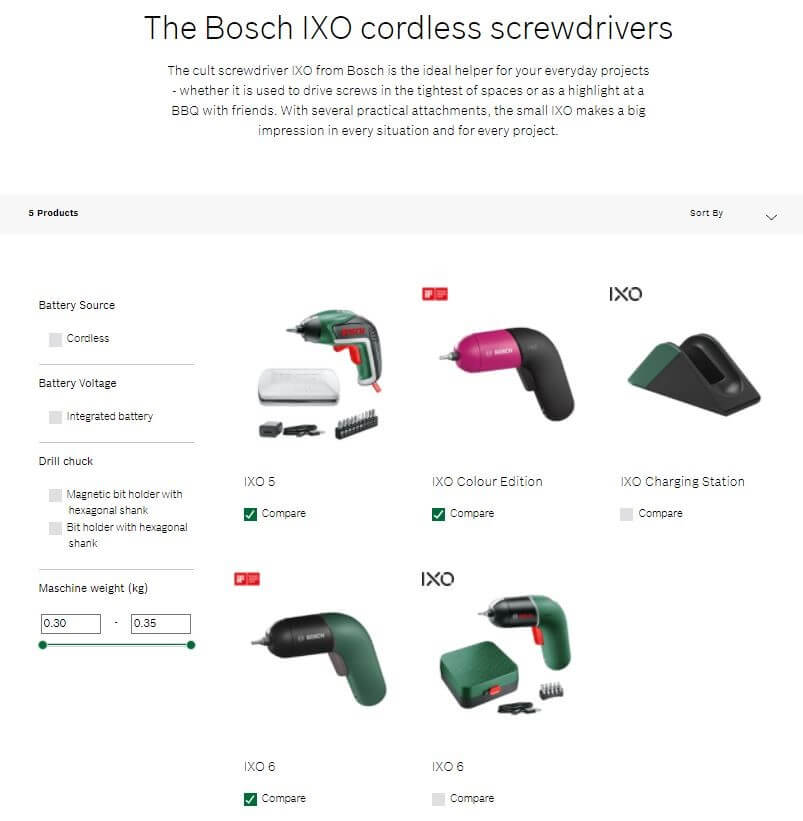
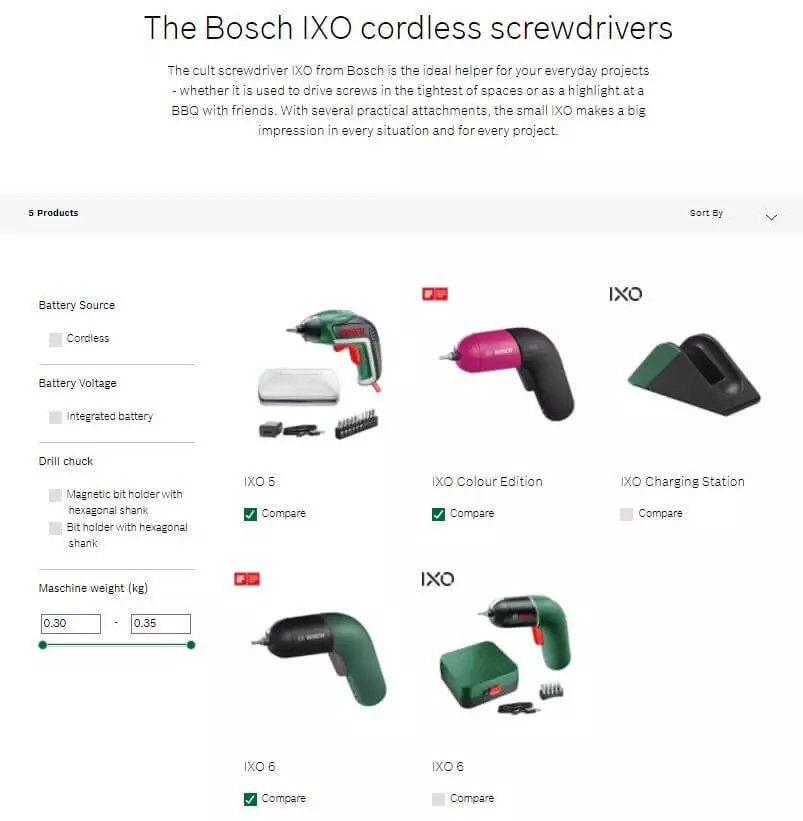
Cordless Screwdriver IXO from Bosch
In order to expand its target group, Bosch has developed a cordless screwdriver that should also appeal to female buyers. The IXO therefore does without a large range of functions and is light in the hand. Bosch has nevertheless refrained from marketing the device as particularly feminine. This has the advantage that equal numbers of men and women are interested in the IXO because not every man values complex DIY devices either. In the meantime, the cordless screwdriver is one of the most successful power tools in the world.
Gillette Venus
Another good example of successful gender marketing is provided by the Gillette Company, which offers razors for men and women. The shaving products for women differ from those for men not only in appearance and shape but are even marketed via a separate website.
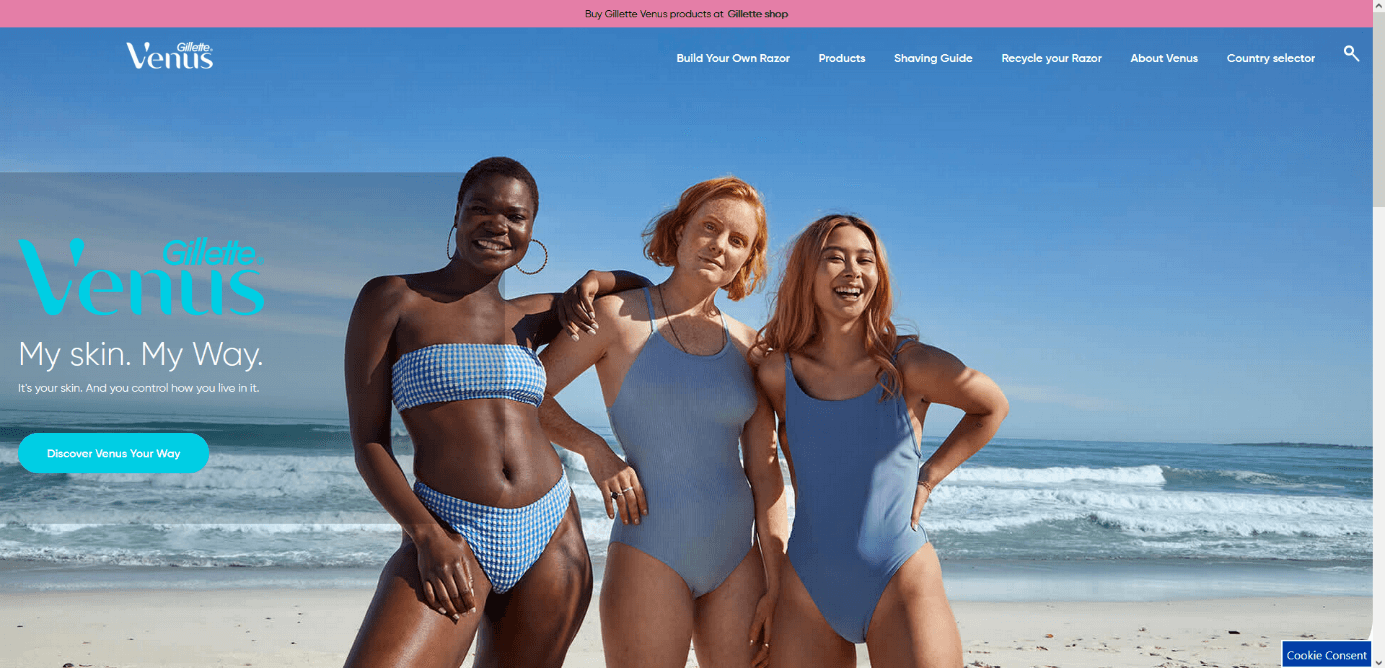
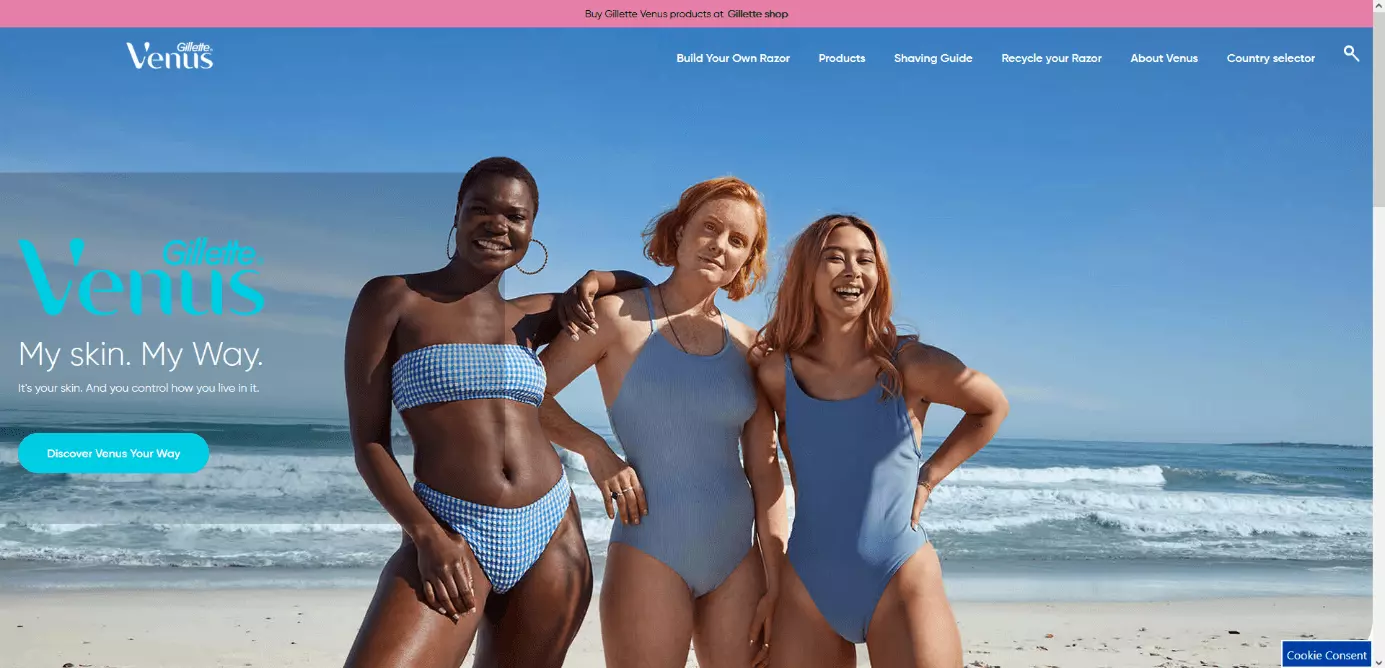
The company highlights different benefits of the respective razors depending on the target group: while the razors for men are advertised as sporty and efficient through colour and presentation (prominent top athletes use the product in TV commercials), the female counterpart primarily emphasises skin-friendly properties and stages shaving as part of pampering body care. The company has thus implemented a product in two successful product lines, in which product design and marketing are tailored to different genders in each case.
Coca-Cola Zero Sugar vs. Diet Coke
An interesting form of gender marketing has been carried out by soft drink manufacturer Coca-Cola: In addition to the sugar-free Diet Coke, which has been very successful since the 1980s, the company introduced Coca-Cola Zero Sugar in 2005 - also without sugar. While the ingredients are indeed different in the two variants, above all the drinks are marketed differently.
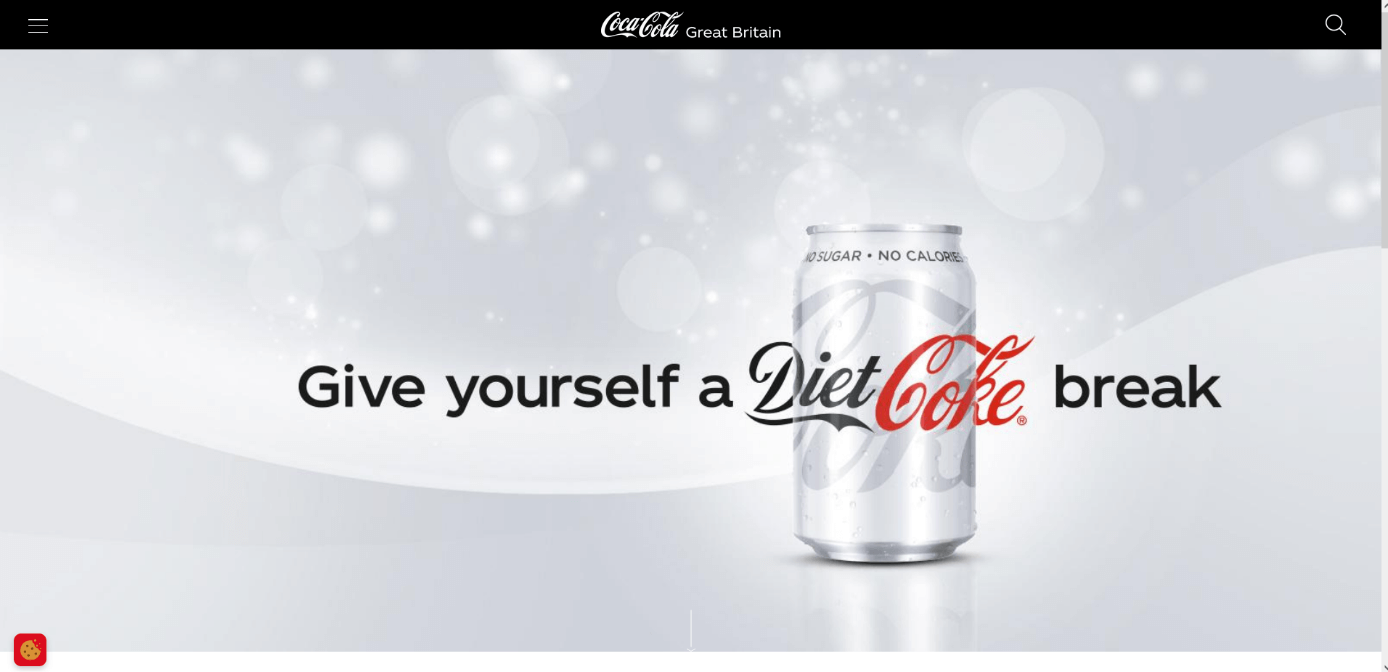

For example, Coca-Cola Zero Sugar is advertised with well-known (male) professional football players and is thus considered the right choice for performance-oriented athletes. In its brand image, Diet Coke is primarily associated with the attributes of lightness and joie de vivre. However, Coca-Cola does not directly claim that one fizzy drink is more suitable for men and the other for women.
The dangers of gender marketing
What used to belong to the masculine domain is now becoming relevant to women too – this is especially true of DIY and technical activities. In contrast, an increasing number of men now take on work that is traditionally associated with women, such as cooking, maintaining a household, and staying at home to raise children. This social change has also led to a shift in gender-specific interests. Successful gender marketing campaigns take note of these patterns and recognise and respond to changes in attitudes to promote sales.
Of course, using a gender-oriented marketing strategy is not always an advantage. Advertising in this way is not useful or relevant for every product, especially if the product is so simple that a distinction between men’s and women’s versions is unnecessary (this concerns many basic food products such as fruit and vegetables, as well as functional, everyday products such as copying paper, printer cartridges, etc.). In cases such as these, targeting the product towards a particular audience carries a risk of a decrease in sales. If a product is marketed as typically female or typically male, it can lose its appeal to the opposite sex.
The use of too many gender stereotypes or a negative portrayal of these stereotypes can also lead to a backlash and potentially harm a company’s reputation. If consumers perceive the presentation of the product as too overwhelming or even offensive, they will dissociate themselves from it. Many products geared towards women have failed because the company has overdone its ‘girly’ advertising, and many products aimed at men have failed to sell because the advertising was too sexist.
Tips for successful gender-based marketing
Gender marketing is an incredibly complex field. As such, those who fail to grasp the different interests and needs of men and women risk missing the mark with their campaigns, thereby remaining unsuccessful. Therefore, as an advertiser, you must precisely analyse your target audience to determine which marketing strategy makes sense for your product. The use of gender marketing is most appropriate when the requirements of male and female consumers are very different from each other. If you are able to respond to these specific needs fully, you can expand your customer base considerably.
The following tips should be followed in any case in order to be successful with gender marketing in the long term:
- No ‘pink it, shrink it’: if you used to simply make products smaller and give them a coat of pink paint, you won't get far with such transparent tactics anymore. Instead, you should seriously address the needs of different target groups and aim to increase the customer satisfaction of different target groups.
- Breaking down clichés: Anyone who works with outdated role models when it comes to branding these days will earn themselves a PR nightmare. Advertise to modern people who don't value stereotypes.
- Consider individuality: not all men are the same and neither are all women. So in your marketing efforts, never give the impression that you have to have certain characteristics or preferences just because you belong to one gender.
- Keep groups open: Still popular, especially in cosmetics, but otherwise outdated, the designation ‘for men’ or ‘for women’. Instead, highlight characteristics that are desired by the target group. This way, for example, men can easily reach for products that are actually assigned to the ‘female’ target group.
- Forward-thinking: More and more people don’t want to be assigned to one gender. Don’t scare off these consumers by insisting on gender. An inclusive marketing strategy is likely to be much more successful.
Great success can be achieved with careful gender marketing. Channels are freely playable: classic advertising (TV, radio & print) works just as well as social media marketing or display marketing. To gain empathy as a brand, the important thing is always to take your customers seriously and not attempt to pigeonhole them.