

User Generated Content

Blogs, online encyclopaedias like Wikipedia, or social networks like Facebook and Instagram all add to the ever-increasing amount of content found on the internet. Internet users have long since stopped getting their daily dose of news solely through the official websites of newspapers. Instead, many internet users, notably younger generations have started checking content produced by other internet users. This content is in not only text-form, but also pictures or videos. “User Generated Content” is the related marketing term for this abundance of online content – content created by users. But what exactly is User Generated Content? And what advantages does this type of content have for companies?
User Generated Content: A Definition
User Generated Content (UGC), occasionally also called Customer Generated Content, is online content that is created by individuals, usually on a private basis. The form UGC can take is liberal. It can be a guide, comments, ratings, photos, graphics or videos that is published on blogs, online shops, social networks or any other form of website. In order to be true user generated content, it does not matter whether the content deals with private topics, news or a company or brand. The defining feature is that it is content generated by a customer.
User Generated Content in Marketing Strategies
In terms of marketing, user generated content about a specific brand or a company is particularly interesting because the content format solves a few issues many businesses face. The biggest issue is one-way communication - the company sends, users receive. User generated content for or about a company’s brand or product not only shows how the brand or product is perceived by the public but can also be implemented in targeted advertising purposes. User generated content created by customers without additional incentive from the company or brand is particularly valuable in this respect. Provided that the content puts a company in a positive light, UGC can spread awareness about a product without seeming biased in favour of a company.
In many cases, the creation of user generated content occurs in a targeted manner, for example through a competition or similar marketing campaigns.
Closely linked to Customer Generated Content is another marketing phenomenon called Influencer Marketing in which particularly successful social media users with a significant following work with brands and companies to promote their products or services.
Examples of successful user generated content
To illustrate how brands and companies inspire users to generate content associated with a company’s branding, we have compiled three examples of user generated content which were a roaring success. Take a look in the following sections.
Starbucks’ White Cup Contest
In 2014, Starbucks launched a competition in which customers were asked to decorate their white mugs with creative drawings and submit photos of them via Twitter or Instagram. The winning motif from over 4,000 entries was produced as a limited edition.


Coca-Cola: Share a Coke
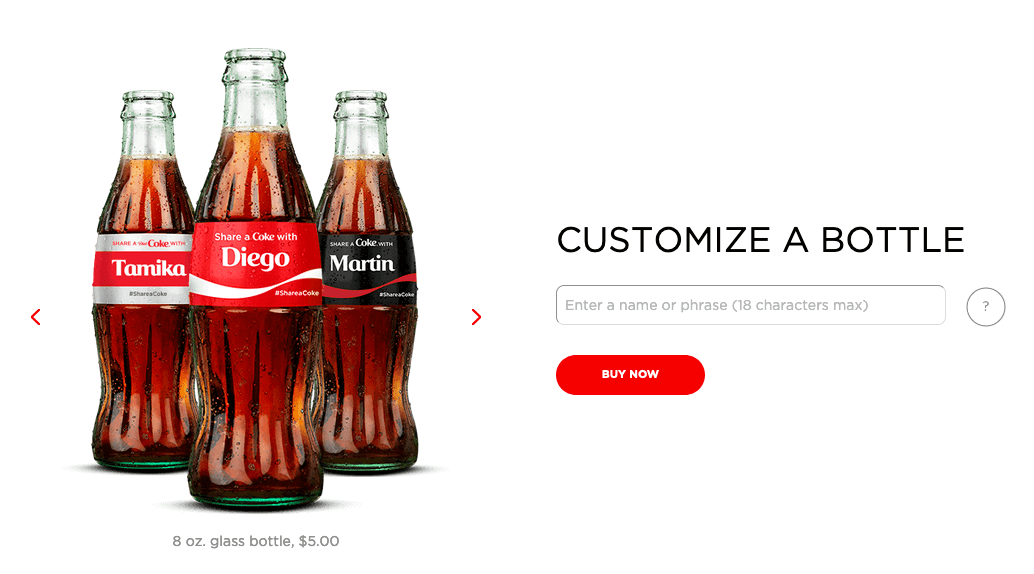
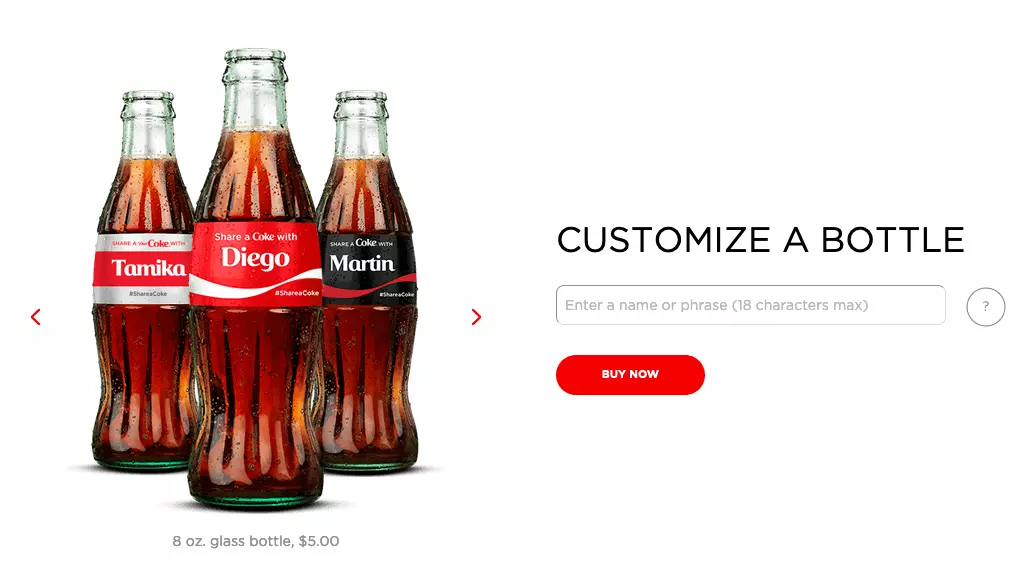
Sometimes, simplicity is key. In 2011, Coca-Cola began printing names on bottles and cans as part of a campaign, initially only in Australia, but the campaign soon caught on around the world. The company also called on its customers to take a picture of themselves with the appropriately labelled bottle or can and share the pictures on social networks under the hashtag #ShareACoke - with incredible success. According to the company, sales in the USA increased by over two percent as a result of this campaign. It is still possible today to get personalised bottles and cans, which can be ordered on the Coca-Colas’ website.
McDonald’s Monopoly Mo Selfies
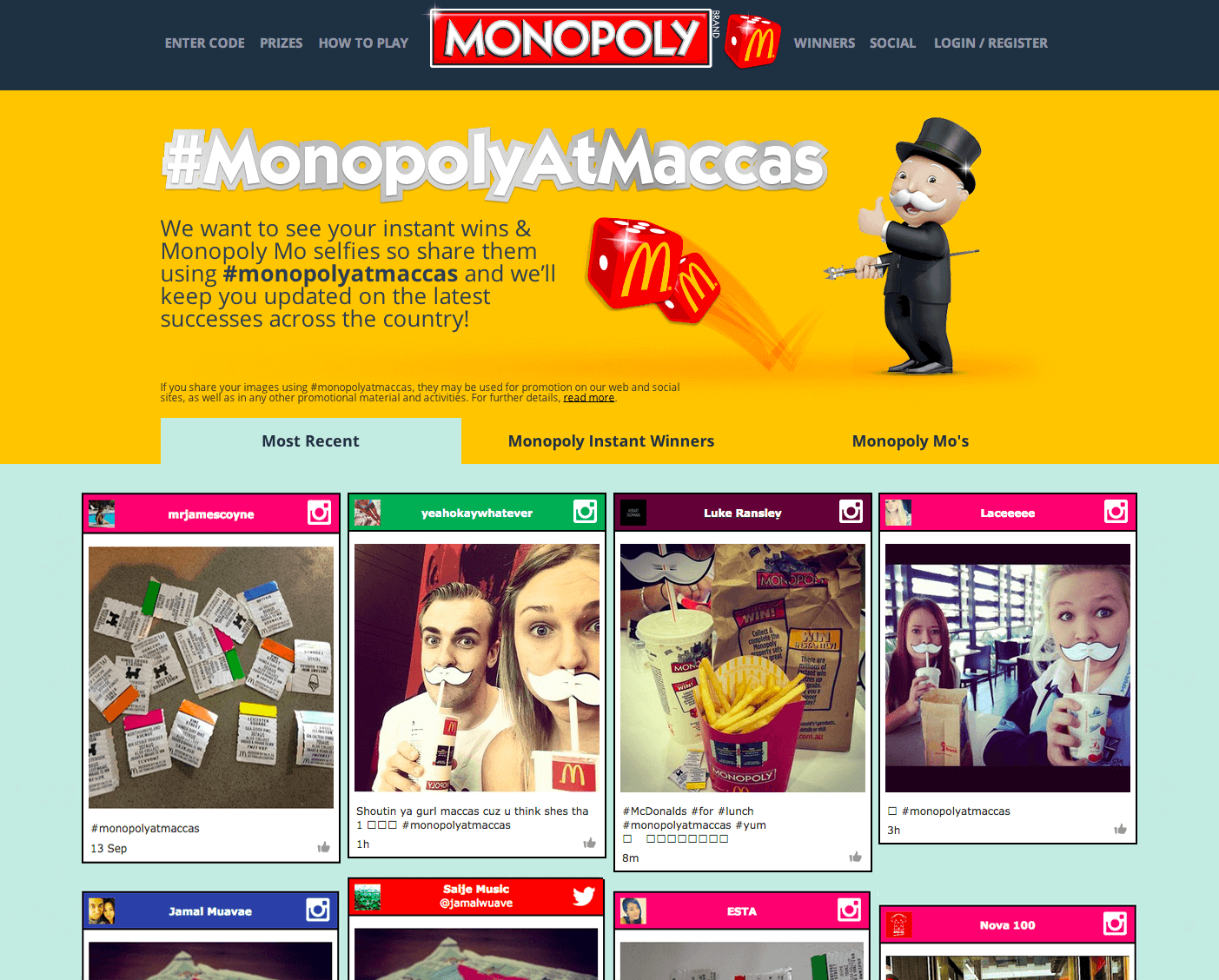
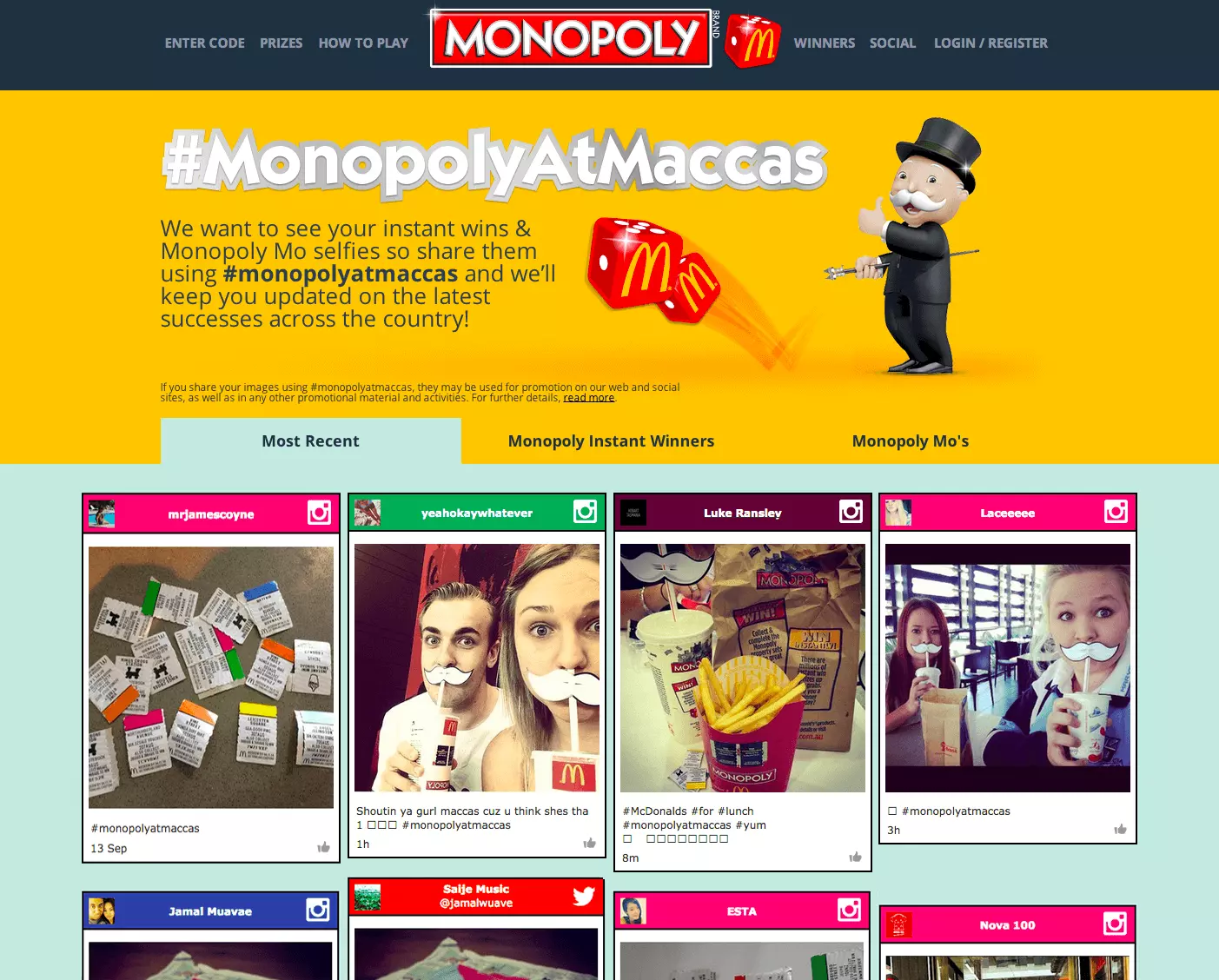
McDonald’s tapped into the success of UGC by combining their McDonald’s Monopoly and a request for customers to post a selfie with the hashtag #monopolyatmaccas. This occurred across all sorts of social media platforms, and the result was a huge success. By asking users to create content themselves, McDonald’s now have a huge amount of UGC which they can use in ad campaigns. This campaign also increased consumer interaction with the brand, minimising the one-sidedness of the communication between brand and consumer. McDonald’s Monopoly was so successful that it is returning in 2020 in some regions.
User Generated Content: The Biggest Advantages
The effort associated with developing ideas and managing marketing campaigns that rely on user generated content is usually quite high. A well-thought-out customer generated content concept is nevertheless highly likely to pay off in the long term. This is due to the following advantages of this content format:
- User generated content that is well done is authentic and credible. If a consumer has a good story to tell, a positive impression from an experience with a company, even if they or recommend a product, this is more credible than if the company itself speaks positively about itself and its products. This credibility has been somewhat undermined by the frequent cooperation with influencers who report positively not (only) out of pure conviction but also because of good payment.
- UGC builds customer loyalty. Customer relations are sustainably strengthened through a good User Generated Content campaign. In order to create content, a user has to be more involved with a product or a topic. When companies ask users to participate and design something, they also feel much more seen by the company and connect even more with the brand.
- A much greater target audience is built up, faster. In just one click and a post is liked or shared – and then more and more users see the photo or article and share it too. This is an effect that is kind of like a snowball effect, and which no company could simply reproduce on its own.
- User generated content is more cost effective to produce. Companies have to pay nothing for all the photos, videos and blog articles created about their product. Exempt from this is perhaps only some initial advertising spending. In the age of smartphones, photos and videos are becoming the medium of choice. In addition, companies benefit from the ideas and suggestions that users submit in competitions.
All things considered, User Generated Content is a good tool for improving a brand’s public image when used in marketing. This is also true of making a brand more well known. It is also an integral part of social selling. This is where social networks are used for sales and lead generation.
A final thing to note is that User Generated Content not only pleases people, but also machines! Google, for example, evaluates lots of comments and ratings as a positive signal and tends to rank websites with more of these activities higher than competitors without this customer interaction.
What to keep in mind with User Generated Content
As nice and easy as it sounds to let your customers do your advertising for you, there is one thing you should not forget. User generated content can backfire. Some companies have had to experience the tricky situation that users don’t just create positive content when you put them in charge. If the fat hits the fire online every company should have a crisis plan with the right communication rules ready.
You should consider the issues of copyright and personal rights so as not to get into hot water on a legal level when initiating a UGC campaign. For example, it is hard to be entirely certain that someone uploading a video or an image actually has all the rights of use or if they’re the real author. In addition, you and the user who generated the content must, in principle, ensure that only people who have given their express permission are shown in the post.
Pay attention to your T&Cs and the terms of use in your campaign. State exactly what is allowed – and what not. Furthermore, always identify user generated content as what it is: content created by private users.